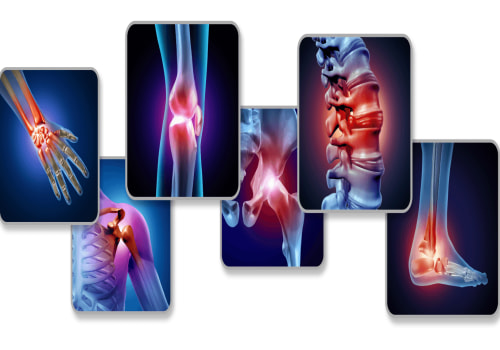
Arthritis is a term that encompasses over 100 different types of inflammatory joint diseases, with osteoarthritis and rheumatoid arthritis being the most prevalent. These conditions can significantly impact an individual’s quality of life, leading to pain, swelling, and stiffness in the joints. One of the most critical aspects affected by arthritis is joint flexibility. As the disease progresses, the ability to move joints freely can diminish, making everyday activities increasingly challenging. The impact of arthritis on joint flexibility is profound.
Inflammation can lead to the thickening of joint tissues and the formation of bone spurs, which restrict movement. This loss of flexibility not only contributes to discomfort but can also result in muscle weakness and further joint deterioration. Therefore, understanding how arthritis affects mobility is essential for developing effective arthritis therapy strategies. Incorporating specific exercises into a daily routine can play a pivotal role in managing symptoms and improving joint function. These exercises are designed to enhance flexibility, strengthen surrounding muscles, and promote overall joint health.
By focusing on tailored movements that accommodate individual limitations, patients can experience significant improvements in their ability to perform daily tasks and maintain an active lifestyle.
The Importance of Joint Flexibility in Arthritis Therapy
Maintaining joint flexibility is essential for individuals suffering from arthritis, as it plays a pivotal role in their overall arthritis therapy. Flexibility allows for a greater range of motion in the joints, which can significantly reduce stiffness and discomfort associated with arthritis. When joints are flexible, patients can perform daily activities with less pain and greater ease, ultimately enhancing their quality of life.One of the primary benefits of improving joint flexibility is the reduction of inflammation. Regular stretching and flexibility exercises can help to alleviate swelling in the joints, which is a common symptom of arthritis.This reduction in inflammation not only helps to relieve pain but also contributes to better joint function.Moreover, engaging in flexibility exercises can lead to improved muscle strength around the joints. Stronger muscles provide better support for the joints, which can help to prevent further injury and deterioration. This is particularly important for arthritis patients, as weakened muscles can exacerbate joint problems.Incorporating flexibility exercises into an arthritis therapy regimen can also promote better circulation. Enhanced blood flow delivers essential nutrients to the joints and surrounding tissues, aiding in recovery and overall joint health.
Additionally, improved circulation can help to reduce fatigue, allowing patients to engage more fully in their daily lives.Finally, maintaining joint flexibility through regular exercise can have psychological benefits as well. Patients often report feeling more empowered and in control of their condition when they actively participate in their therapy. This sense of agency can lead to improved mental health outcomes, reducing feelings of anxiety and depression that often accompany chronic conditions like arthritis.In summary, prioritizing joint flexibility is crucial for those undergoing arthritis therapy. The benefits extend beyond physical improvements; they encompass emotional well-being and overall quality of life.
By integrating flexibility exercises into their routine, arthritis patients can experience significant enhancements in both their physical capabilities and mental health.
Common Exercises to Improve Joint Flexibility
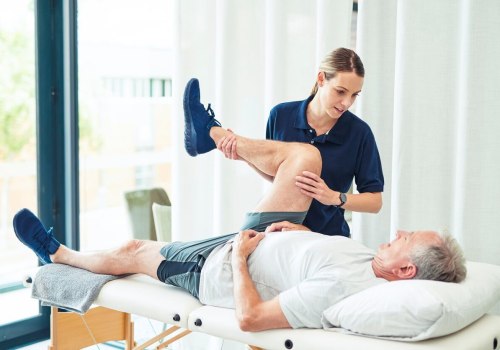
Improving joint flexibility is crucial for arthritis patients, as it can significantly enhance their quality of life. Here are some common exercises specifically designed to help with arthritis therapy and promote better joint flexibility:- Range of Motion Exercises: These exercises help maintain or improve the flexibility of joints. Simple movements such as arm circles, ankle pumps, and wrist flexion can be performed daily. Aim for 10-15 repetitions for each movement.
- Stretching Exercises: Gentle stretching can alleviate stiffness.
Focus on major muscle groups and hold each stretch for 15-30 seconds. Examples include:
- Hamstring Stretch: Sit on the floor with one leg extended and the other bent. Reach towards your toes on the extended leg.
- Shoulder Stretch: Bring one arm across your body and hold it with the opposite arm to stretch the shoulder.
- Aquatic Exercises: Water provides resistance while reducing strain on joints. Activities like water walking, swimming, or water aerobics can be beneficial.
These exercises allow for greater movement without pain.
- Strengthening Exercises: Building muscle strength around joints can improve stability and flexibility. Use light weights or resistance bands for exercises like bicep curls, leg lifts, and seated leg extensions.
Gentle Stretching Techniques for Arthritis Patients
For individuals living with arthritis, gentle stretching techniques can play a crucial role in enhancing joint flexibility and reducing stiffness. These exercises are designed to be low-impact and can be easily integrated into daily routines.Here are some effective stretching techniques for arthritis patients:- Neck Stretch: Sit or stand comfortably.
Slowly tilt your head to one side, bringing your ear toward your shoulder. Hold for 15-30 seconds and switch sides. This helps relieve tension in the neck.
- Shoulder Rolls: While sitting or standing, lift your shoulders towards your ears and then roll them back and down. Repeat this motion 5-10 times to improve shoulder flexibility.
- Wrist Flexor Stretch: Extend one arm in front of you with the palm facing up.
With the other hand, gently pull back on the fingers of the extended hand. Hold for 15-30 seconds and switch hands. This stretch is beneficial for wrist mobility.
- Ankle Circles: While seated, lift one foot off the ground and rotate your ankle in a circular motion. Perform 10 circles in each direction before switching to the other foot.
This exercise enhances ankle flexibility.
- Seated Hamstring Stretch: Sit on the edge of a chair with one leg extended straight out in front of you. Keeping your back straight, lean forward gently until you feel a stretch in the back of your thigh. Hold for 15-30 seconds and switch legs.
Low-Impact Aerobic Exercises for Joint Health
For individuals managing arthritis, low-impact aerobic exercises can be a vital component of an effective arthritis therapy regimen.These exercises not only promote joint health but also enhance overall fitness without putting undue stress on the joints.
Benefits of Low-Impact Aerobic Exercises
- Improved Circulation: Engaging in low-impact activities helps increase blood flow, which can aid in reducing stiffness and promoting healing.
- Weight Management: Maintaining a healthy weight is crucial for reducing pressure on weight-bearing joints, and aerobic exercises can assist in achieving this goal.
- Enhanced Mood: Regular physical activity releases endorphins, which can help alleviate feelings of depression and anxiety often associated with chronic pain.
- Increased Flexibility: These exercises can improve the range of motion in joints, making daily activities easier and less painful.
Recommended Low-Impact Aerobic Exercises
- Walking: A simple yet effective exercise that can be done anywhere. Aim for 30 minutes a day at a comfortable pace.
- Swimming: The buoyancy of water reduces stress on the joints while providing resistance, making it an excellent choice for those with arthritis.
- Cycling: Whether on a stationary bike or outdoors, cycling is gentle on the joints and helps build strength and endurance.
- Aqua Aerobics: Similar to swimming, aqua aerobics combines the benefits of water resistance with aerobic exercise, making it ideal for joint health.
Strength Training and Its Role in Flexibility Improvement
Strength training is often overlooked in arthritis therapy, yet it plays a crucial role in enhancing joint flexibility and overall stability for arthritis patients. By focusing on building muscle strength, individuals can support their joints, which may help alleviate some of the discomfort associated with arthritis.Role of Strength Training
- Muscle Support: Stronger muscles provide better support to the joints, reducing the strain on them during daily activities.
- Improved Range of Motion: Engaging in strength training can lead to an increase in the range of motion around the joints, which is essential for maintaining flexibility.
- Joint Stability: Strengthening the muscles around a joint can enhance its stability, potentially decreasing the risk of injury and improving functional movement.
Here are some effective strategies:
- Start Slow: Begin with light weights or resistance bands to avoid overexertion. Gradually increase intensity as strength improves.
- Focus on Major Muscle Groups: Targeting major muscle groups—such as legs, arms, and core—can provide comprehensive support to the joints.
- Include Flexibility Exercises: Pair strength training with stretching exercises to enhance flexibility further and promote joint health.
Yoga and Tai Chi: Mind-Body Approaches to Flexibility
For individuals living with arthritis, maintaining joint flexibility is crucial for enhancing mobility and reducing discomfort.Two effective mind-body approaches that have gained popularity are yoga and Tai Chi. Both practices not only promote physical flexibility but also foster mental well-being, making them ideal components of an arthritis therapy regimen.
Yoga for Arthritis
Yoga incorporates a series of postures and breathing techniques that can significantly improve flexibility and strength in arthritis patients. The gentle stretching involved in yoga helps to alleviate stiffness in the joints while promoting better circulation. Some specific benefits of yoga for arthritis include:- Increased Range of Motion: Regular practice can help expand the range of motion in affected joints.
- Pain Management: Mindful breathing and relaxation techniques can reduce the perception of pain.
- Stress Reduction: The meditative aspects of yoga can lower stress levels, which is beneficial since stress can exacerbate arthritis symptoms.
Tai Chi Benefits
Tai Chi, often described as "meditation in motion," is another excellent option for improving flexibility in arthritis patients.This ancient Chinese martial art focuses on slow, controlled movements and deep breathing, which can enhance both physical and mental health. Key benefits include:
- Improved Balance: The slow movements help enhance balance, reducing the risk of falls.
- Joint Stability: Tai Chi strengthens the muscles around the joints, providing better support and stability.
- Mental Clarity: The focus required during practice promotes mindfulness, which can help manage anxiety related to chronic pain.
Safety Tips and Precautions When Exercising with Arthritis
Engaging in exercise is crucial for arthritis patients, but it’s essential to prioritize safety to prevent injury and ensure a positive experience. Here are some important exercise safety tips and precautions to consider:- Consult with a Healthcare Professional: Before starting any exercise program, it’s vital to consult with a doctor or physical therapist who understands your specific condition.
They can recommend appropriate exercises tailored to your needs.
- Start Slow: Begin with low-impact activities and gradually increase intensity. This approach helps your body adjust without overwhelming your joints.
- Listen to Your Body: Pay attention to how your body responds during and after exercise. If you experience pain or discomfort, stop the activity and consult a healthcare professional.
- Warm Up and Cool Down: Always include a warm-up before exercising and a cool-down afterward. Gentle stretching can help prepare your joints and muscles for activity.
- Choose the Right Environment: Ensure that the space where you exercise is safe, well-lit, and free from obstacles that could cause falls or injuries.
- Use Supportive Gear: Invest in proper footwear that provides support and cushioning.
Consider using braces or supports for joints that may need extra stability during exercise.
- Stay Hydrated: Drink plenty of water before, during, and after exercising to keep your body hydrated, which is essential for joint health.
- Avoid High-Impact Activities: Steer clear of exercises that put excessive strain on your joints, such as running or jumping. Instead, opt for swimming, cycling, or yoga, which are gentler on the body.
Frequently Asked Questions About Arthritis Therapy and Flexibility Exercises
When it comes to arthritis therapy, many patients have questions about how flexibility exercises can help manage their symptoms. Here are some frequently asked questions:What types of flexibility exercises are recommended for arthritis patients?
Common flexibility exercises include:- Stretching: Gentle stretching can help maintain and improve range of motion in the joints.
- Yoga: Many forms of yoga focus on gentle movements and stretches that can enhance flexibility and reduce stiffness.
- Pilates: This low-impact exercise method emphasizes core strength and flexibility, making it suitable for arthritis patients.
- Water aerobics: Exercising in water reduces strain on the joints while allowing for a full range of motion.
How often should I perform flexibility exercises?
It is generally recommended to engage in flexibility exercises at least three to five times a week.Consistency is key to seeing improvements in joint mobility and reducing stiffness.
Can flexibility exercises worsen my arthritis symptoms?
If performed correctly, flexibility exercises should not worsen arthritis symptoms. However, it is crucial to listen to your body and avoid pushing through pain. Consulting with a healthcare provider or physical therapist can help tailor an exercise program that suits your needs.Are there any specific stretches I should avoid?
Avoid any stretches that cause sharp pain or discomfort. High-impact or aggressive stretching can exacerbate symptoms.Focus on gentle, controlled movements instead.If you have further questions about arthritis therapy and flexibility exercises, consider reaching out to a healthcare professional who specializes in arthritis management for personalized advice.
Conclusion: Embracing Exercise as a Key Component of Arthritis Therapy
In conclusion, incorporating exercise into arthritis therapy is not just beneficial; it is essential for managing symptoms and improving overall quality of life. Throughout this article, we have explored various exercises that can enhance joint flexibility, reduce stiffness, and promote mobility for arthritis patients. Regular physical activity helps to strengthen the muscles surrounding the joints, which can alleviate pressure and reduce pain. Additionally, engaging in low-impact exercises such as swimming, cycling, and yoga can provide significant relief without exacerbating joint discomfort. These activities not only improve flexibility but also enhance cardiovascular health and boost mental well-being. It is crucial for arthritis patients to consult with healthcare professionals before starting any new exercise regimen.A tailored approach ensures that individuals choose the right types of exercises that suit their specific conditions and limitations. Furthermore, setting realistic goals and gradually increasing activity levels can lead to sustainable improvements. To summarize, the key takeaways for integrating exercise into arthritis therapy include:
- Consistency is key: Regular exercise is more effective than sporadic workouts.
- Focus on flexibility: Stretching exercises should be a priority to maintain joint range of motion.
- Listen to your body: Pay attention to pain signals and adjust activities accordingly.
- Seek professional guidance: Work with physical therapists or trainers experienced in arthritis management.