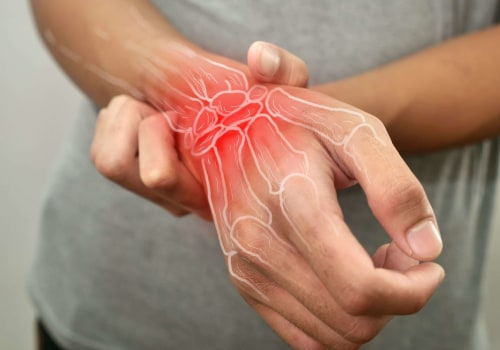
Arthritis is a common yet often misunderstood condition that affects millions of individuals across the United States. Characterized by inflammation of the joints, arthritis can lead to debilitating pain, stiffness, and a significant reduction in mobility. According to the Centers for Disease Control and Prevention (CDC), approximately 54 million adults have been diagnosed with some form of arthritis, making it one of the leading causes of disability in the country. This staggering prevalence highlights the urgent need for effective arthritis therapy options to help manage symptoms and improve quality of life. The impact of arthritis extends far beyond physical discomfort; it can profoundly affect daily activities, from simple tasks like opening a jar to more complex movements involved in sports or exercise.
Many individuals find themselves struggling with routine chores, leading to feelings of frustration and isolation. The emotional toll can be just as significant as the physical pain, as those living with arthritis often experience anxiety and depression due to their limitations. Understanding the nuances of arthritis therapy is crucial for those affected by this condition. While many may think of physical therapy as the primary treatment option, it is essential to recognize that there are various therapeutic approaches available. Each method has its unique benefits and can be tailored to meet individual needs, ultimately aiming to restore function and enhance overall well-being.
As we delve deeper into the differences between occupational therapy and physical therapy for arthritis, we will uncover how these therapies can play a pivotal role in managing this chronic condition.
What is Occupational Therapy?
Occupational therapy is a client-centered practice that focuses on enabling individuals to participate in meaningful activities of daily living. It is particularly beneficial for those with chronic conditions, such as arthritis, where pain and mobility issues can significantly impact daily routines.The primary goal of occupational therapy is to enhance the quality of life by improving the ability to perform everyday tasks. This can include anything from self-care activities like dressing and bathing to more complex tasks such as cooking or returning to work. Occupational therapists assess each individual's unique challenges and develop personalized intervention plans that address their specific needs.Occupational Therapy for Arthritis
For individuals suffering from arthritis, occupational therapy plays a crucial role in managing symptoms and improving functionality.Therapists utilize a variety of techniques, including:
- Adaptive Equipment Training: Teaching clients how to use tools and devices that make daily tasks easier, such as jar openers or ergonomic utensils.
- Joint Protection Techniques: Educating clients on how to minimize stress on their joints during activities, which can help reduce pain and prevent further damage.
- Activity Modification: Helping clients find alternative ways to perform tasks that may be difficult due to pain or limited mobility.
- Strengthening Exercises: Guiding clients through specific exercises designed to improve strength and flexibility, which can alleviate some symptoms of arthritis.
What is Physical Therapy?
Physical therapy is a specialized form of healthcare that focuses on the assessment, diagnosis, and treatment of physical impairments and disabilities. It aims to enhance an individual’s ability to move and function effectively in daily life. For those suffering from arthritis, physical therapy plays a crucial role in managing symptoms and improving overall quality of life.The primary objectives of physical therapy for arthritis include:- Pain Management: Physical therapists employ various techniques such as manual therapy, modalities like heat or cold application, and therapeutic exercises to alleviate pain associated with arthritis.
- Improving Mobility: Through targeted exercises, physical therapy helps increase joint flexibility and strength, enabling individuals to perform daily activities with greater ease.
- Enhancing Functionality: Therapists design personalized exercise programs that focus on improving functional movements, which can help patients regain independence in their daily routines.
- Education: Physical therapists educate patients about their condition, teaching them how to manage symptoms effectively and prevent further joint damage.
This may include:
- Strength Training: Building muscle strength around affected joints can provide better support and reduce strain.
- Aerobic Conditioning: Low-impact aerobic exercises can improve cardiovascular health without exacerbating joint pain.
- Balance and Coordination Exercises: These exercises help prevent falls, which can be particularly important for individuals with arthritis who may have compromised stability.
Key Differences Between Occupational Therapy and Physical Therapy for Arthritis
When considering arthritis therapy, it is essential to understand the distinct roles of occupational therapy and physical therapy. Both therapies aim to improve the quality of life for arthritis patients, but they do so through different approaches and techniques.Approach
Occupational therapy focuses on helping patients engage in daily activities that may be hindered by arthritis. Therapists assess the individual’s lifestyle and recommend modifications to enhance participation in work, leisure, and self-care tasks. This may include teaching adaptive techniques or suggesting assistive devices.In contrast, physical therapy primarily emphasizes improving physical function and mobility.Therapists design exercise programs tailored to strengthen muscles around the joints, increase flexibility, and reduce pain. The goal is to restore movement and prevent further injury.
Techniques Used
- Occupational Therapy Techniques:
- Activity modification strategies
- Use of adaptive equipment (e.g., grab bars, ergonomic tools)
- Education on joint protection techniques
- Physical Therapy Techniques:
- Strengthening exercises
- Range-of-motion exercises
- Manual therapy (e.g., massage, joint mobilization)
Outcomes for Arthritis Patients
The outcomes of each therapy can vary significantly based on the patient’s needs. Patients who engage in occupational therapy often report improved ability to perform daily tasks, leading to enhanced independence and satisfaction in life. On the other hand, those who participate in physical therapy typically experience reduced pain levels and improved mobility, which can lead to a more active lifestyle.In summary, while both occupational therapy and physical therapy play crucial roles in managing arthritis, they cater to different aspects of patient care.Understanding these differences can help patients make informed decisions about their treatment options.
When to Choose Occupational Therapy vs. Physical Therapy
Choosing between occupational therapy and physical therapy for arthritis can be a pivotal decision in managing your condition effectively. Each type of therapy serves distinct purposes and can be beneficial depending on your specific needs and lifestyle.When to Choose Occupational Therapy
If your primary goal is to improve your ability to perform daily activities, such as dressing, cooking, or working, then occupational therapy may be the right choice. Occupational therapists focus on:- Adaptive Techniques: Teaching you how to modify tasks to reduce strain on your joints.
- Assistive Devices: Recommending tools that can help you manage daily tasks more easily.
- Home Modifications: Suggesting changes in your living environment to enhance accessibility and safety.
When to Choose Physical Therapy
If your focus is on reducing pain, improving mobility, or increasing strength, then physical therapy might be more appropriate.Physical therapists typically concentrate on:
- Exercise Programs: Developing personalized exercise regimens aimed at strengthening muscles around affected joints.
- Pain Management: Utilizing techniques such as heat, ice, or electrical stimulation to alleviate discomfort.
- Range of Motion: Helping you regain flexibility and movement through targeted stretching and mobilization exercises.
Common Techniques Used in Occupational Therapy for Arthritis
Occupational therapy (OT) plays a crucial role in helping individuals with arthritis manage their daily activities and improve their quality of life. By focusing on adaptive strategies and techniques, occupational therapists empower patients to navigate challenges posed by their condition.Adaptive Strategies for Daily Living
One of the primary goals of OT for arthritis patients is to develop adaptive strategies that facilitate easier engagement in daily tasks. These strategies may include:- Energy Conservation: Teaching patients how to prioritize tasks and take breaks to manage fatigue effectively.
- Joint Protection Techniques: Instructing on how to use joints safely to minimize strain, such as using larger joints for lifting and avoiding positions that put stress on affected areas.
- Assistive Devices: Recommending tools like jar openers, reachers, or specialized utensils that can help reduce the physical demands of daily activities.
Therapeutic Exercises
Incorporating therapeutic exercises into the treatment plan is another essential technique.Occupational therapists often guide patients through:
- Range of Motion Exercises: To maintain flexibility and prevent stiffness in affected joints.
- Strengthening Exercises: To build muscle support around joints, which can alleviate pressure and improve function.
Environmental Modifications
Another key aspect of OT is making necessary modifications in the home or workplace. This may involve:- Rearranging Furniture: To create a more accessible environment that reduces the need for excessive movement.
- Installing Grab Bars: In bathrooms or stairways to enhance safety and independence.
Common Techniques Used in Physical Therapy for Arthritis
Physical therapy plays a crucial role in managing arthritis symptoms and improving the quality of life for patients. Various techniques are employed to enhance mobility, reduce pain, and strengthen the muscles surrounding affected joints.Common Techniques in Physical Therapy
- Manual Therapy: This hands-on technique involves the therapist using their hands to manipulate, mobilize, and massage the joints and soft tissues. It can help alleviate stiffness and improve circulation.
- Therapeutic Exercises: Tailored exercise programs are designed to improve flexibility, strength, and endurance.
These exercises may include:
- Range of Motion Exercises: Gentle movements that help maintain or improve joint flexibility.
- Strengthening Exercises: Focused on building muscle strength around the joints to provide better support.
- Aerobic Conditioning: Low-impact activities such as walking or swimming that enhance overall fitness without stressing the joints.
- Heat and Cold Therapy: Applying heat can relax muscles and increase blood flow, while cold therapy can reduce inflammation and numb sharp pain. Therapists often recommend alternating between these methods for optimal relief.
- Ultrasound Therapy: This technique uses sound waves to penetrate deep into tissues, promoting healing and reducing pain through increased circulation.
FAQs About Arthritis Therapy Options
When considering arthritis therapy, many patients have questions about the differences between occupational therapy and physical therapy. Here are some frequently asked questions that can help clarify these two approaches:What is the primary focus of occupational therapy for arthritis?
Occupational therapy aims to help individuals perform daily activities more effectively despite their arthritis.This may include:
- Teaching adaptive techniques for tasks such as dressing, cooking, and cleaning.
- Recommending assistive devices to reduce strain on joints.
- Providing strategies to manage pain and fatigue during daily activities.
How does physical therapy differ in treating arthritis?
Physical therapy, on the other hand, primarily focuses on improving physical function and mobility. Key aspects include:- Developing a personalized exercise program to strengthen muscles around affected joints.
- Utilizing modalities such as heat, ice, or ultrasound to alleviate pain.
- Improving range of motion and flexibility through targeted stretching exercises.
Can I benefit from both therapies?
Yes, many patients find that a combination of both occupational therapy and physical therapy provides the best results. While physical therapy enhances strength and mobility, occupational therapy focuses on enabling patients to engage in meaningful activities without exacerbating their symptoms.What should I expect during my first therapy session?
Your initial session will typically involve an assessment by the therapist. They will evaluate your specific needs, discuss your goals, and create a tailored treatment plan.Expect to engage in discussions about:
- Your medical history and current symptoms.
- Your daily routines and challenges faced due to arthritis.
- The types of activities you wish to improve or regain.
Conclusion: Choosing the Right Therapy for Arthritis Management
In conclusion, understanding the differences between occupational therapy and physical therapy is crucial for effective arthritis therapy. Both therapies play significant roles in managing arthritis, but they focus on different aspects of treatment and recovery.Occupational therapy emphasizes enhancing daily living skills and adapting environments to improve quality of life. It helps individuals with arthritis learn how to perform everyday tasks with less pain and more efficiency. This may include using assistive devices, modifying workspaces, or developing strategies to conserve energy throughout the day. On the other hand, physical therapy primarily focuses on improving physical function through exercises aimed at increasing strength, flexibility, and mobility.Physical therapists design personalized exercise programs that can alleviate pain and enhance joint function, which is essential for maintaining an active lifestyle. When choosing the right therapy for arthritis management, consider the following:
- Your specific needs: Assess whether you require assistance with daily activities or if your primary goal is to improve physical capabilities.
- Your healthcare provider's recommendations: Consult with your doctor or a specialist who can guide you based on your individual condition and treatment goals.
- Your personal preferences: Think about what type of therapy aligns best with your lifestyle and comfort level.