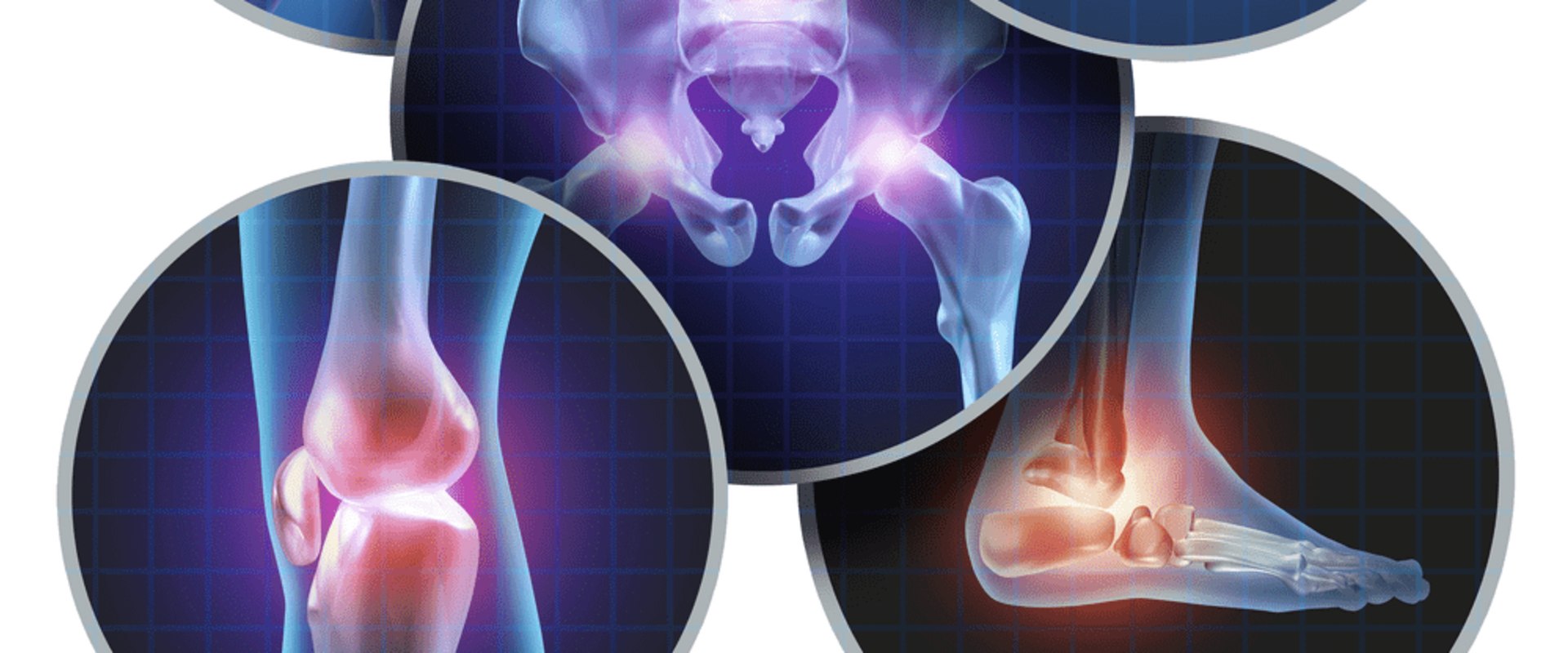
Arthritis is a term that encompasses over 100 different types of inflammatory joint diseases, with osteoarthritis and rheumatoid arthritis being the most prevalent. This condition can significantly impact an individual’s quality of life, leading to chronic pain, stiffness, and swelling in the joints. As a result, those affected often find it challenging to perform everyday activities, from simple tasks like opening a jar to more demanding ones like exercising or engaging in hobbies. The symptoms of arthritis can vary widely among individuals but commonly include joint pain, swelling, and reduced range of motion. These symptoms can fluctuate in intensity, sometimes flaring up unexpectedly and making it difficult for individuals to maintain their usual routines.
The emotional toll of living with arthritis can also be profound, as the persistent discomfort may lead to feelings of frustration, anxiety, or even depression. Understanding the impact of arthritis on daily life is crucial for those seeking effective arthritis therapy. It not only helps in recognizing the physical limitations imposed by the disease but also emphasizes the importance of adopting lifestyle changes that can alleviate symptoms and improve overall well-being. By exploring various strategies for managing arthritis, individuals can regain control over their lives and enhance their ability to engage in activities they enjoy.
The Role of Diet in Arthritis Management
Managing arthritis symptoms can significantly benefit from dietary changes. An arthritis diet focuses on incorporating foods that reduce inflammation and promote joint health.Here are some key components to consider:
- Omega-3 Fatty Acids: Found in fatty fish like salmon, mackerel, and sardines, omega-3s are known for their anti-inflammatory properties. Regular consumption can help alleviate joint pain and stiffness.
- Fruits and Vegetables: A diet rich in colorful fruits and vegetables provides essential vitamins and antioxidants. Berries, cherries, spinach, and kale are particularly beneficial due to their high levels of antioxidants that combat oxidative stress.
- Whole Grains: Whole grains such as brown rice, quinoa, and oats can help reduce inflammation. They are also a good source of fiber, which is important for overall health.
- Nuts and Seeds: Almonds, walnuts, and flaxseeds are excellent sources of healthy fats and protein.
They contain nutrients that support joint health and may help reduce inflammation.
- Saturated Fats: Found in red meat and full-fat dairy products, these fats can increase inflammation.
- Sugar and Processed Foods: High sugar intake and processed foods can lead to weight gain and increased inflammation, worsening arthritis symptoms.
Exercise: A Key Component of Arthritis Therapy
Engaging in regular exercise is a fundamental aspect of arthritis therapy, as it can significantly alleviate symptoms and improve overall quality of life. Physical activity helps maintain joint function, reduces stiffness, and enhances flexibility, making it an essential component for those managing arthritis.Benefits of Exercise for Arthritis
- Improved Joint Mobility: Regular movement helps lubricate the joints, which can reduce pain and stiffness.
- Increased Strength: Strengthening the muscles around the joints provides better support and stability, reducing the risk of injury.
- Weight Management: Maintaining a healthy weight can lessen the strain on weight-bearing joints, which is crucial for individuals with arthritis.
- Mood Enhancement: Exercise releases endorphins, which can help combat feelings of depression and anxiety often associated with chronic pain.
Types of Exercises Recommended for Arthritis
When considering exercise options, it’s important to choose activities that are low-impact and gentle on the joints. Here are some effective types of exercises:
- Aerobic Exercises: Activities such as walking, swimming, or cycling can improve cardiovascular health without putting excessive stress on the joints.
- Strength Training: Using light weights or resistance bands can help build muscle strength.
Focus on exercises that target major muscle groups while ensuring proper form to avoid injury.
- Flexibility Exercises: Stretching routines or yoga can enhance flexibility and range of motion, making daily activities easier to perform.
- Balance Exercises: Incorporating balance training, such as tai chi or simple standing exercises, can help prevent falls and improve stability.
Weight Management and Its Effects on Arthritis Symptoms
Maintaining a healthy weight is crucial for individuals managing arthritis symptoms. Excess weight can significantly exacerbate joint pain and inflammation, making it essential to focus on weight management as part of an effective arthritis therapy plan.Impact of Obesity on Arthritis:
- Increased Joint Pressure: Every pound of excess weight adds approximately four pounds of pressure on the knees.
This added strain can lead to increased pain and reduced mobility.
- Inflammation: Obesity is linked to higher levels of systemic inflammation, which can worsen arthritis symptoms. Fat tissue produces inflammatory cytokines that can contribute to joint damage.
- Comorbidities: Being overweight increases the risk of developing other health issues, such as diabetes and heart disease, which can complicate arthritis management.
Strategies for Weight Loss with Arthritis:
- Consult a Healthcare Professional: Before starting any weight loss program, it’s important to consult with a doctor or a registered dietitian who understands arthritis.
- Focus on Nutrition: A balanced diet rich in fruits, vegetables, whole grains, and lean proteins can help manage weight. Consider anti-inflammatory foods like fatty fish, nuts, and olive oil.
- Incorporate Low-Impact Exercise: Activities such as swimming, cycling, or walking can help burn calories without putting excessive strain on the joints. Regular physical activity is vital for maintaining a healthy weight.
- Set Realistic Goals: Aim for gradual weight loss rather than drastic changes.
Losing even a small percentage of body weight can lead to significant improvements in joint pain and function.
Stress Management Techniques for Arthritis Sufferers
Managing stress is crucial for individuals suffering from arthritis, as stress can exacerbate symptoms and lead to increased pain and discomfort. Understanding the connection between mental health and arthritis is essential for effective arthritis therapy. Here are some effective stress management techniques that can help alleviate symptoms:- Mindfulness Meditation: Practicing mindfulness can help you stay present and reduce anxiety.
Spend a few minutes each day focusing on your breath and observing your thoughts without judgment.
- Deep Breathing Exercises: Deep breathing can lower stress levels and promote relaxation. Try inhaling deeply through your nose, holding for a few seconds, and exhaling slowly through your mouth.
- Gentle Yoga: Incorporating gentle yoga into your routine can improve flexibility and reduce tension in the body. Look for classes specifically designed for those with arthritis.
- Progressive Muscle Relaxation: This technique involves tensing and then relaxing different muscle groups in your body, helping to release physical tension associated with stress.
- Engaging in Hobbies: Spending time on activities you enjoy can be a great way to distract yourself from pain and stress. Whether it’s painting, gardening, or reading, find what brings you joy.
Connecting with friends, family, or support groups can provide emotional relief and practical advice on managing arthritis symptoms. Remember that taking care of your mental health is just as important as managing physical symptoms. By incorporating these stress management strategies into your daily routine, you can enhance your overall well-being and improve your quality of life while living with arthritis.
The Importance of Sleep in Managing Arthritis Symptoms
Quality sleep plays a crucial role in managing arthritis symptoms. Many individuals with arthritis experience sleep disturbances, which can exacerbate pain and inflammation.Understanding the connection between sleep and arthritis is essential for effective arthritis therapy.Research indicates that poor sleep can lead to increased sensitivity to pain, making it even more challenging for arthritis patients to cope with their symptoms. Additionally, sleep disorders such as insomnia and sleep apnea are common among those with arthritis, further complicating their condition.
Improving Sleep Quality
To enhance sleep quality, consider implementing the following strategies:- Establish a Consistent Sleep Schedule: Go to bed and wake up at the same time every day to regulate your body’s internal clock.
- Create a Relaxing Bedtime Routine: Engage in calming activities before bed, such as reading or practicing meditation, to signal your body that it’s time to wind down.
- Optimize Your Sleep Environment: Ensure your bedroom is dark, quiet, and cool. Consider using blackout curtains and white noise machines if necessary.
- Limit Screen Time: Reduce exposure to screens at least an hour before bedtime, as blue light can interfere with melatonin production.
- Avoid Stimulants: Limit caffeine and nicotine intake, especially in the afternoon and evening, as these can disrupt sleep patterns.
Alternative Therapies: Exploring Complementary Approaches to Arthritis Care
Managing arthritis symptoms often requires a multifaceted approach, and alternative therapies can play a significant role in enhancing traditional treatments.These complementary methods not only aim to alleviate pain but also improve overall well-being.
Acupuncture
Acupuncture is an ancient practice rooted in Traditional Chinese Medicine that involves inserting thin needles into specific points on the body. Research has shown that acupuncture may help reduce pain and improve function in individuals with arthritis. By stimulating the body's natural painkillers and promoting blood flow, acupuncture can provide relief from stiffness and discomfort associated with arthritis.Physical Therapy
Physical therapy is another effective alternative therapy for managing arthritis symptoms. A physical therapist can design a personalized exercise program that focuses on strengthening muscles around the joints, improving flexibility, and enhancing overall mobility.Regular physical therapy sessions can help patients maintain their independence and reduce the risk of further joint damage.
Other Complementary Approaches
- Massage Therapy: Therapeutic massage can help relieve muscle tension and improve circulation, providing temporary relief from arthritis pain.
- Yoga: Incorporating gentle yoga into your routine can enhance flexibility, reduce stress, and promote relaxation, all of which are beneficial for those with arthritis.
- Dietary Supplements: Some individuals find relief through supplements such as omega-3 fatty acids or glucosamine, which may help reduce inflammation.
FAQs About Lifestyle Changes for Arthritis Management
Managing arthritis symptoms often involves making lifestyle changes that can significantly improve quality of life. Here are some frequently asked questions regarding these changes:- What dietary changes can help with arthritis?
Incorporating an anti-inflammatory diet rich in fruits, vegetables, whole grains, and healthy fats can be beneficial. Foods high in omega-3 fatty acids, such as salmon and walnuts, may help reduce inflammation. - How does physical activity affect arthritis?
Regular exercise is crucial for maintaining joint function and reducing stiffness.Low-impact activities like swimming, walking, and cycling are often recommended. Aim for at least 150 minutes of moderate exercise each week.
- Can weight management impact arthritis symptoms?
Yes, maintaining a healthy weight can alleviate pressure on weight-bearing joints, which may reduce pain and improve mobility. A balanced diet combined with regular exercise is key to achieving this. - Are there specific supplements that can aid in arthritis management?
Some individuals find relief with supplements like glucosamine and chondroitin, though results can vary. Always consult a healthcare provider before starting any new supplement regimen. - How important is sleep for managing arthritis?
Quality sleep is essential for overall health and can help reduce pain perception.Establishing a regular sleep schedule and creating a comfortable sleep environment can enhance sleep quality.
Conclusion: Embracing Lifestyle Changes for Better Arthritis Management
In conclusion, managing arthritis symptoms effectively requires a multifaceted approach that emphasizes lifestyle changes. Throughout this article, we have explored various strategies that can significantly enhance the quality of life for those living with arthritis. By adopting these changes, individuals can not only alleviate pain but also improve their overall well-being. One of the most impactful adjustments is incorporating regular physical activity into daily routines.Engaging in low-impact exercises such as swimming, walking, or yoga can help maintain joint flexibility and reduce stiffness. Additionally, a balanced diet rich in anti-inflammatory foods—such as fruits, vegetables, whole grains, and omega-3 fatty acids—can play a crucial role in managing inflammation associated with arthritis. Furthermore, maintaining a healthy weight is essential. Excess weight places additional stress on joints, particularly weight-bearing ones like the hips and knees. By achieving and maintaining a healthy weight through diet and exercise, individuals can experience significant relief from arthritis symptoms. Stress management techniques, including mindfulness and relaxation exercises, are also vital.
Chronic stress can exacerbate pain perception and inflammation; therefore, finding effective ways to manage stress can lead to better symptom control. Lastly, staying informed about arthritis therapy options and collaborating with healthcare professionals ensures that individuals receive personalized care tailored to their specific needs. Embracing these lifestyle changes not only empowers those with arthritis but also fosters a proactive approach to managing their condition. Ultimately, by making informed choices and prioritizing health, individuals can navigate the challenges of arthritis more effectively and enjoy a more fulfilling life.