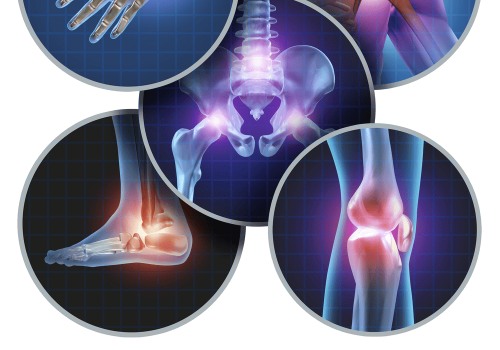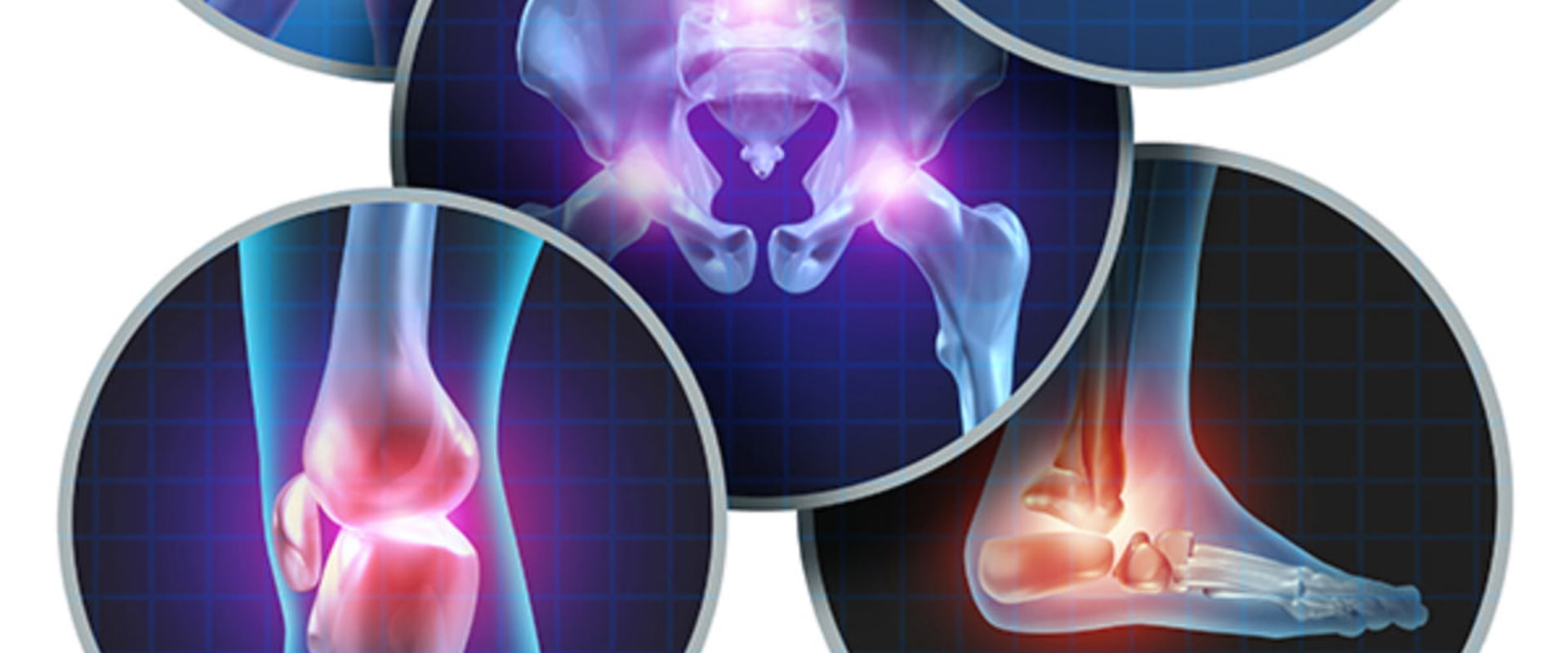
Arthritis is a term that encompasses over 100 different conditions affecting the joints, leading to pain, stiffness, and inflammation. It can significantly impact an individual’s quality of life, making everyday activities challenging. The most common types of arthritis include osteoarthritis, which is primarily caused by wear and tear on the joints, and rheumatoid arthritis, an autoimmune disorder where the body’s immune system attacks the joints. Understanding these types is crucial for recognizing symptoms and seeking appropriate arthritis therapy.The symptoms of arthritis can vary widely depending on the type and severity of the condition.
Common signs include joint pain, swelling, and reduced range of motion. In some cases, individuals may also experience fatigue and fever, particularly with inflammatory types like rheumatoid arthritis. These symptoms can fluctuate, leading to periods of exacerbation followed by remission, which can be frustrating for those affected. As we delve deeper into the various arthritis therapy options available, it’s essential to grasp how these therapies aim not only to alleviate pain but also to improve joint function and overall well-being. By understanding the nature of arthritis and its diverse manifestations, individuals can better navigate their treatment options and work towards a more manageable lifestyle.
Overview of Arthritis Therapy
Arthritis therapy encompasses a variety of treatment options aimed at alleviating symptoms, improving joint function, and enhancing the overall quality of life for individuals affected by arthritis.The primary goals of arthritis therapy are to reduce pain, minimize inflammation, and prevent further joint damage. Understanding the different types of arthritis treatment is crucial for effective management of this chronic condition.There are several approaches to arthritis management, each tailored to the specific type of arthritis and the individual’s unique needs. These can be broadly categorized into the following:
- Medications: This includes nonsteroidal anti-inflammatory drugs (NSAIDs), corticosteroids, disease-modifying antirheumatic drugs (DMARDs), and biologics. Each class of medication serves a distinct purpose, from reducing inflammation to modifying the disease's progression.
- Physical Therapy: A physical therapist can design a personalized exercise program that focuses on strengthening muscles around the joints, improving flexibility, and enhancing overall mobility.
- Occupational Therapy: Occupational therapists help patients adapt their daily activities to minimize strain on affected joints, often recommending assistive devices to facilitate easier movement.
- Lifestyle Modifications: Weight management, regular exercise, and a balanced diet can significantly impact arthritis symptoms.
Incorporating low-impact activities such as swimming or cycling can help maintain joint health.
- Surgical Options: In severe cases where other treatments have failed, surgical interventions such as joint replacement or arthroscopy may be considered to restore function and relieve pain.
Medications for Arthritis Therapy
When it comes to arthritis therapy, medications play a crucial role in managing symptoms and improving the quality of life for those affected. There are several categories of medications used, each with its own mechanism of action, benefits, and potential side effects.Nonsteroidal Anti-Inflammatory Drugs (NSAIDs)
NSAIDs are among the most commonly prescribed medications for arthritis.They work by reducing inflammation and alleviating pain. Common examples include ibuprofen and naproxen. While effective, long-term use of NSAIDs can lead to gastrointestinal issues, cardiovascular problems, and kidney damage. Therefore, it's essential to use them under medical supervision.
Disease-Modifying Antirheumatic Drugs (DMARDs)
DMARDs are designed to slow the progression of arthritis and prevent joint damage.They are particularly beneficial for patients with rheumatoid arthritis. Methotrexate is one of the most widely used DMARDs. While DMARDs can be effective, they may take several weeks to show results and can have side effects such as liver toxicity and increased susceptibility to infections.
Biologics
Biologics represent a newer class of medications that target specific components of the immune system. These drugs are often prescribed for moderate to severe arthritis when other treatments have failed.Examples include tumor necrosis factor (TNF) inhibitors like etanercept and adalimumab. While biologics can significantly reduce symptoms and improve function, they also carry risks such as serious infections and certain cancers.In conclusion, understanding the different types of medications available for arthritis therapy is vital for effective management of the condition. Patients should work closely with their healthcare providers to determine the most appropriate treatment plan tailored to their specific needs.
Physical Therapy and Rehabilitation
Physical therapy plays a crucial role in the management of arthritis, offering tailored approaches to enhance mobility and alleviate pain. Through a combination of targeted exercises and rehabilitation techniques, individuals with arthritis can experience significant improvements in their daily functioning.Physical Therapy for Arthritis
Physical therapists assess each patient's unique condition and develop personalized treatment plans.These plans often include a variety of rehabilitation exercises designed to strengthen muscles around the affected joints, improve flexibility, and increase overall endurance. Common exercises may include:
- Range of motion exercises: These help maintain joint flexibility and prevent stiffness.
- Strengthening exercises: Focused on building muscle strength to support and stabilize joints.
- Aerobic conditioning: Activities like walking or swimming that enhance cardiovascular health while being gentle on the joints.
Benefits of Physical Therapy
The benefits of engaging in physical therapy for arthritis are manifold:- Pain reduction: Regular physical activity can help decrease pain levels by promoting the release of endorphins.
- Improved mobility: Consistent practice of prescribed exercises can lead to enhanced joint function and greater ease in movement.
- Education: Physical therapists provide valuable information on body mechanics and posture, helping patients avoid movements that could exacerbate their condition.
- Emotional support: Engaging in therapy can also foster a sense of community and support, which is vital for mental well-being.
Alternative Therapies for Arthritis Relief
For many individuals living with arthritis, traditional treatments may not provide sufficient relief. As a result, alternative therapies have gained popularity as complementary options.These therapies can range from physical practices to natural remedies, each offering unique benefits.
Acupuncture
Acupuncture is an ancient Chinese practice that involves inserting thin needles into specific points on the body. Research suggests that acupuncture may help reduce pain and improve function in arthritis patients by stimulating the body's natural painkillers and promoting blood flow. While results can vary, many patients report significant relief after a series of sessions.Massage Therapy
Massage therapy is another alternative treatment that can provide relief from arthritis symptoms. By manipulating the muscles and soft tissues, massage can help reduce tension, improve circulation, and alleviate pain.Studies have shown that regular massage can lead to improved joint mobility and decreased discomfort for those with arthritis.
Herbal Remedies
Herbal remedies have been used for centuries to treat various ailments, including arthritis. Some popular options include:- Turmeric: Contains curcumin, which has anti-inflammatory properties.
- Ginger: Known for its ability to reduce inflammation and pain.
- Boswellia: An herb that may help decrease joint swelling and improve mobility.
Lifestyle Changes to Manage Arthritis Symptoms
Managing arthritis symptoms effectively often requires a holistic approach that includes lifestyle changes. These modifications can significantly improve quality of life and reduce discomfort associated with the condition.Dietary Changes for Arthritis
A well-balanced diet plays a crucial role in managing arthritis.Certain foods can help reduce inflammation and promote joint health. Consider incorporating the following into your meals:
- Fatty fish: Rich in omega-3 fatty acids, fish like salmon and mackerel can help decrease joint stiffness.
- Fruits and vegetables: Foods high in antioxidants, such as berries, spinach, and kale, can combat oxidative stress.
- Nuts and seeds: Almonds and walnuts provide healthy fats that may help reduce inflammation.
- Whole grains: Opt for whole grains like brown rice and quinoa instead of refined grains to maintain stable blood sugar levels.
Exercise for Arthritis Management
Regular physical activity is essential for maintaining joint function and overall health. Here are some effective exercise options:- Aerobic exercises: Activities like walking, swimming, or cycling can improve cardiovascular health while being gentle on the joints.
- Strength training: Building muscle around joints can provide better support and reduce pain. Use light weights or resistance bands to start.
- Flexibility exercises: Stretching routines or yoga can enhance flexibility and range of motion, helping to alleviate stiffness.
- Low-impact activities: Consider tai chi or water aerobics, which are easier on the joints while still providing significant benefits.
Always consult with a healthcare professional before starting any new diet or exercise program to ensure it aligns with your specific health needs.
Surgical Options for Severe Cases of Arthritis
For individuals suffering from severe cases of arthritis, surgical options may become necessary when conservative treatments fail to provide relief. Surgery can significantly improve quality of life by alleviating pain and restoring function in affected joints.Types of Surgical Options
- Joint Replacement Surgery: This is one of the most common surgical procedures for arthritis, particularly in the hips and knees. During this procedure, the damaged joint surfaces are removed and replaced with artificial components. Patients can expect a significant reduction in pain and improved mobility post-surgery.
- Arthroscopy: This minimally invasive procedure involves inserting a small camera and instruments into the joint through tiny incisions.
It allows surgeons to remove loose debris, repair damaged cartilage, or even realign bones, which can help relieve symptoms.
- Osteotomy: In cases where joint alignment is an issue, osteotomy may be performed. This involves cutting and reshaping bones to relieve pressure on the joint, which can help reduce pain and improve function.
When to Consider Surgery
Frequently Asked Questions about Arthritis Therapy
When considering arthritis therapy, many patients have questions about their treatment options and what to expect.Here are some frequently asked questions that can help clarify common concerns.
What are the most common types of arthritis therapy?
There are several types of arthritis therapy available, including:- Medications: Nonsteroidal anti-inflammatory drugs (NSAIDs), corticosteroids, and disease-modifying antirheumatic drugs (DMARDs) are commonly prescribed.
- Physical therapy: Tailored exercises can improve mobility and strength, helping to manage symptoms.
- Occupational therapy: This focuses on adapting daily activities to reduce strain on joints.
- Surgery: In severe cases, surgical options such as joint replacement may be considered.
How do I choose the right arthritis treatment?
Selecting the appropriate arthritis therapy depends on various factors, including:- Your specific type of arthritis and its severity.
- Your overall health and any other medical conditions you may have.
- Your lifestyle and personal preferences regarding treatment methods.
How can I manage side effects of therapy?
Many arthritis treatments come with potential side effects. Here are some strategies to manage them:- Communicate with your doctor: Always report any side effects you experience; they may adjust your treatment plan accordingly.
- Stay informed: Understanding potential side effects can help you prepare and manage them effectively.
- Lifestyle adjustments: Incorporating a healthy diet, regular exercise, and stress management techniques can mitigate some side effects.
Conclusion: Finding the Right Arthritis Therapy for You
In conclusion, navigating the landscape of arthritis therapy can be complex, but understanding the various options available is crucial for effective management of this condition. Throughout this article, we have explored several types of therapies, including pharmacological treatments, physical therapy, lifestyle modifications, and alternative therapies. Each of these approaches plays a significant role in alleviating symptoms and improving the quality of life for those affected by arthritis.It is essential to recognize that no single treatment plan works for everyone.The effectiveness of arthritis therapy can vary greatly from person to person, depending on factors such as the type of arthritis, severity of symptoms, and individual health conditions. Therefore, a personalized treatment plan is vital.
Key Considerations for Personalized Therapy
- Consultation with Healthcare Professionals: Regular consultations with rheumatologists or physical therapists can help tailor therapies to your specific needs.
- Monitoring Progress: Keeping track of your symptoms and treatment responses allows for adjustments to be made as necessary.
- Incorporating Multiple Approaches: Combining different types of therapies—such as medication with physical therapy or dietary changes—can enhance overall effectiveness.