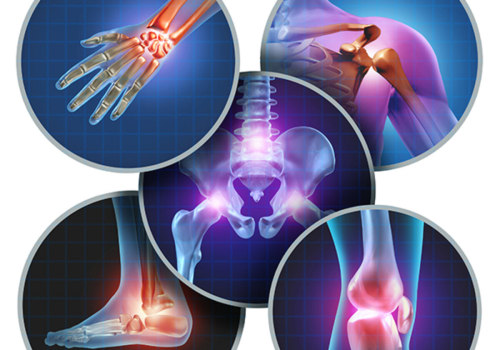
Arthritis is a common condition that affects millions of individuals across the United States, leading to significant challenges in daily life. It encompasses a group of more than 100 different types of inflammatory joint diseases, with osteoarthritis and rheumatoid arthritis being the most prevalent. Each type presents unique symptoms and impacts on joint health, but they all share a common thread: the potential to cause debilitating pain and stiffness. The symptoms of arthritis can vary widely, ranging from mild discomfort to severe pain that limits mobility. Individuals may experience swelling, tenderness, and a decreased range of motion in affected joints.
Over time, these symptoms can lead to a decline in overall physical function, making it increasingly difficult to perform everyday activities. Understanding the specific type of arthritis one is dealing with is crucial for effective management and treatment. As we delve deeper into the topic of arthritis therapy, it becomes essential to recognize how these therapies can alleviate symptoms and improve joint health. By addressing the underlying causes and providing targeted relief, various therapeutic options can enhance mobility and reduce stiffness, ultimately improving the quality of life for those affected by this chronic condition.
What is Arthritis Therapy?
Arthritis therapy encompasses a range of treatment options designed to alleviate the symptoms of arthritis, particularly joint stiffness and mobility issues. These therapies aim to improve the quality of life for individuals suffering from various forms of arthritis, including osteoarthritis, rheumatoid arthritis, and psoriatic arthritis.There are several types of arthritis therapy available, each tailored to meet the specific needs of patients:- Physical Therapy: This involves exercises and stretches that help strengthen the muscles around the joints, improve flexibility, and enhance overall mobility.
- Occupational Therapy: Occupational therapists work with patients to develop strategies for performing daily activities with less pain and more efficiency.
- Medications: Nonsteroidal anti-inflammatory drugs (NSAIDs), corticosteroids, and disease-modifying antirheumatic drugs (DMARDs) are commonly prescribed to reduce inflammation and pain.
- Alternative Therapies: Techniques such as acupuncture, massage therapy, and yoga can provide relief from symptoms and improve joint function.
- Surgical Options: In severe cases, surgical interventions like joint replacement may be considered to restore mobility and reduce pain.
Engaging in these therapies can lead to:
- Improved joint function and mobility
- Enhanced physical strength and endurance
- Better mental health through reduced pain and increased activity levels
- A greater sense of independence in daily activities
How Arthritis Therapy Addresses Joint Stiffness
Arthritis therapy plays a crucial role in addressing joint stiffness, a common symptom experienced by individuals with various forms of arthritis. This stiffness can significantly hinder mobility and overall quality of life. Different therapeutic approaches target the underlying causes of stiffness, providing relief and improving function.Physical Therapy
is one of the most effective methods for reducing joint stiffness.
A physical therapist can design a personalized exercise program that focuses on stretching and strengthening the muscles surrounding the affected joints. These exercises not only enhance flexibility but also promote blood circulation, which is essential for joint health.
Occupational Therapy
complements physical therapy by helping individuals adapt their daily activities to minimize strain on stiff joints. Occupational therapists can recommend assistive devices and techniques that make tasks easier, thereby reducing discomfort and enhancing mobility.
Medications
also play a vital role in arthritis therapy. Nonsteroidal anti-inflammatory drugs (NSAIDs) can alleviate pain and reduce inflammation, which often contributes to stiffness.
In some cases, disease-modifying antirheumatic drugs (DMARDs) may be prescribed to slow disease progression and improve joint function.
Heat and Cold Therapy
are simple yet effective methods for managing joint stiffness. Applying heat can relax muscles and increase blood flow, while cold therapy can numb sharp pain and reduce swelling. Alternating between these therapies can provide significant relief.
Alternative Therapies
, such as acupuncture and massage, have also shown promise in alleviating joint stiffness. These therapies can help release tension in the muscles surrounding the joints, promoting relaxation and improved mobility.In summary, arthritis therapy encompasses a variety of approaches aimed at reducing joint stiffness.
By combining physical therapy, occupational therapy, medications, and alternative treatments, individuals can experience significant improvements in their mobility and overall well-being.
Improving Mobility Through Arthritis Therapy
Arthritis therapy plays a crucial role in improving mobility for individuals suffering from joint stiffness and pain. By employing a combination of therapeutic approaches, patients can experience significant enhancements in their ability to move freely and comfortably.One of the most effective methods within arthritis therapy is physical therapy. A trained physical therapist can design a personalized exercise program that focuses on strengthening the muscles around the joints, improving flexibility, and increasing overall endurance. These tailored exercises not only help in reducing stiffness but also promote better joint function.Types of Exercises for Mobility
- Range-of-motion exercises: These exercises help maintain or improve flexibility in the joints.
Simple movements such as arm circles or ankle pumps can be beneficial.
- Strengthening exercises: Building muscle strength around affected joints can provide better support and stability. Resistance bands or light weights can be used to enhance these workouts.
- Aerobic exercises: Low-impact activities like walking, swimming, or cycling can improve cardiovascular health while minimizing stress on the joints.
These practices not only help in managing pain but also encourage a greater range of motion through gentle stretching and controlled movements.Ultimately, the combination of these therapeutic approaches within arthritis therapy can lead to substantial improvements in mobility. By actively engaging in a structured program that includes physical and occupational therapy, along with mindful practices, patients can regain their independence and enhance their quality of life.
Types of Arthritis Therapies: A Closer Look
When it comes to managing arthritis, a variety of therapies can be employed to alleviate symptoms such as joint stiffness and improve mobility. Understanding the different types of arthritis therapy available is crucial for individuals seeking relief.Physical Therapy
Physical therapy is a cornerstone in the treatment of arthritis. It involves tailored exercise programs designed to strengthen the muscles around the joints, enhance flexibility, and improve overall function.A physical therapist can guide patients through specific exercises that not only reduce stiffness but also promote better range of motion. Techniques such as heat and cold therapy may also be incorporated to manage pain.
Medications
Medications play a significant role in arthritis therapy. Nonsteroidal anti-inflammatory drugs (NSAIDs) are commonly prescribed to reduce inflammation and relieve pain. In more severe cases, corticosteroids or disease-modifying antirheumatic drugs (DMARDs) may be recommended to slow disease progression.It's essential for patients to work closely with their healthcare providers to find the right medication regimen that minimizes side effects while effectively managing symptoms.
Alternative Therapies
Many individuals explore alternative therapies as complementary options for arthritis management. These may include acupuncture, massage therapy, and herbal supplements. While some patients report positive outcomes from these treatments, it is vital to consult with a healthcare professional before starting any alternative therapy to ensure safety and efficacy.Lifestyle Changes
Incorporating lifestyle changes can significantly impact arthritis symptoms. Maintaining a healthy weight reduces stress on joints, while a balanced diet rich in anti-inflammatory foods can help manage symptoms.Regular physical activity, such as swimming or walking, can also enhance joint function and overall well-being. Additionally, stress management techniques like yoga or meditation may provide further relief.In summary, a comprehensive approach that includes physical therapy, medications, alternative therapies, and lifestyle changes can greatly assist individuals in managing arthritis symptoms effectively. By exploring these various options, patients can find a tailored strategy that works best for their unique needs.
Frequently Asked Questions About Arthritis Therapy
Arthritis therapy encompasses a variety of treatments aimed at alleviating symptoms and improving the quality of life for those suffering from arthritis. Here are some frequently asked questions regarding this therapy:What are the common types of arthritis therapy?
Common types of arthritis therapy include:- Physical therapy: Focuses on exercises to improve mobility and strength.
- Occupational therapy: Helps individuals adapt their daily activities to reduce strain on joints.
- Medications: Nonsteroidal anti-inflammatory drugs (NSAIDs) and disease-modifying antirheumatic drugs (DMARDs) are often prescribed.
- Alternative therapies: Acupuncture, massage, and dietary changes may also provide relief.
What are the side effects of arthritis therapy?
While many therapies can be beneficial, they may also come with side effects.Common side effects include:
- Nausea or gastrointestinal issues from medications.
- Fatigue or dizziness, particularly with certain treatments.
- Joint pain or discomfort during physical therapy sessions.
How long does therapy take to work?
The duration for arthritis therapy to show results can vary significantly based on the type of treatment and individual response. Generally, patients may start noticing improvements within:- A few weeks: For physical and occupational therapies, initial benefits can often be felt relatively quickly.
- Several months: Medications like DMARDs may take longer to exhibit their full effects, sometimes requiring several months for optimal results.
Real-Life Success Stories: Arthritis Therapy in Action
Many individuals living with arthritis have found relief and improved mobility through various arthritis therapy options. Here are some inspiring success stories that highlight the effectiveness of these treatments.John's Journey to Pain-Free Movement
At 62, John struggled with severe joint stiffness due to osteoarthritis.After years of discomfort, he decided to try a combination of physical therapy and aquatic exercises. "I was skeptical at first, but within weeks, I noticed a significant reduction in pain and an increase in my range of motion," he shares. John now participates in weekly water aerobics classes, allowing him to stay active without the strain on his joints.
Maria's Transformation Through Occupational Therapy
Maria, a 55-year-old artist, faced challenges in her daily life due to rheumatoid arthritis. Simple tasks like holding a paintbrush became painful.After starting arthritis therapy that included occupational therapy, she learned adaptive techniques to manage her symptoms. "The therapist taught me how to modify my workspace and use tools that reduce strain on my hands," Maria explains. Now, she can create art again without the fear of exacerbating her condition.
Community Support and Shared Experiences
Support groups have also played a crucial role in many patients' journeys. For instance, a local arthritis support group organized workshops featuring guest speakers who shared their success stories with arthritis therapy.Participants like Tom found motivation and hope through these narratives. "Hearing others talk about their improvements made me realize I wasn't alone and that there were options available for me," he states.These testimonials illustrate that arthritis therapy can significantly enhance quality of life by reducing pain and improving mobility. Whether through physical therapy, occupational therapy, or community support, many individuals have discovered effective strategies to manage their arthritis symptoms and reclaim their lives.
Conclusion: The Role of Arthritis Therapy in Enhancing Quality of Life
In conclusion, arthritis therapy plays a crucial role in managing joint stiffness and enhancing mobility for individuals suffering from arthritis. Throughout this article, we have explored various therapeutic approaches, including physical therapy, medication, and lifestyle modifications, all of which contribute significantly to improving the quality of life for those affected.By engaging in tailored arthritis therapy, patients can experience:- Reduced Pain: Effective pain management strategies can alleviate discomfort, allowing for greater participation in daily activities.
- Improved Flexibility: Regular therapeutic exercises help maintain and enhance joint flexibility, which is essential for mobility.
- Strengthened Muscles: Targeted strength training can support the joints, reducing the burden on them and improving overall function.
- Enhanced Mental Well-being: Engaging in therapy not only addresses physical symptoms but also promotes mental health by reducing feelings of isolation and depression often associated with chronic pain.
Early intervention can lead to better outcomes, preventing further deterioration of joint function. Consulting with healthcare professionals who specialize in arthritis can provide personalized treatment plans that cater to individual needs.Ultimately, embracing a comprehensive approach to arthritis therapy empowers patients to take control of their condition. By prioritizing therapy and making informed lifestyle choices, individuals can significantly improve their mobility and overall quality of life.