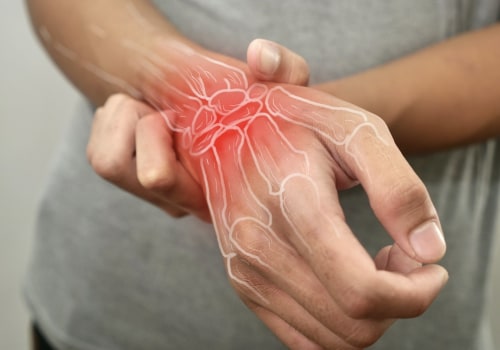
Arthritis is a term that encompasses over 100 different conditions affecting the joints, leading to pain, stiffness, and inflammation. The most common types include osteoarthritis, which is primarily due to wear and tear on the joints, and rheumatoid arthritis, an autoimmune disorder where the body mistakenly attacks its own joint tissues. Understanding these distinctions is crucial for effective arthritis therapy, as each type may require a different approach to management. The symptoms of arthritis can vary widely but often include persistent joint pain, swelling, and reduced range of motion. Many individuals also experience fatigue and a general sense of malaise.
These symptoms can significantly impact daily activities and overall quality of life, making it essential to explore various management strategies. Among these strategies, weight management plays a pivotal role in alleviating symptoms and improving joint function. Excess weight places additional stress on weight-bearing joints, such as the knees and hips, exacerbating pain and inflammation. Therefore, understanding the relationship between body weight and arthritis symptoms is vital for those seeking relief. By maintaining a healthy weight through balanced nutrition and regular physical activity, individuals can potentially reduce the severity of their symptoms and enhance their overall well-being.
The Connection Between Weight and Arthritis Symptoms
Understanding the connection between weight and arthritis symptoms is crucial for effective arthritis therapy.Numerous studies have shown that excess body weight can significantly exacerbate the symptoms of arthritis, particularly in weight-bearing joints such as the knees and hips. For instance, research indicates that for every pound of weight lost, there is a reduction of approximately four pounds of pressure on the knees. This relationship highlights the importance of maintaining a healthy weight to alleviate joint stress and improve overall mobility.Obesity not only increases the mechanical load on joints but also contributes to systemic inflammation, which can worsen arthritis symptoms. Fat tissue produces inflammatory cytokines that can lead to increased pain and swelling in affected joints.
A study published in the Journal of Rheumatology found that individuals with obesity were more likely to experience severe arthritis symptoms compared to those with a normal weight. This suggests that managing body weight could be a vital component of arthritis therapy.Moreover, a meta-analysis revealed that weight loss interventions led to significant improvements in pain levels and physical function among arthritis patients. These findings underscore the potential benefits of weight management as part of a comprehensive treatment plan for arthritis. Here are some key points to consider:
- Weight Loss Benefits: Reducing body weight can lead to decreased joint pain and improved physical function.
- Inflammation Reduction: Weight management may help lower systemic inflammation associated with obesity.
- Enhanced Mobility: Maintaining a healthy weight can improve mobility and quality of life for those suffering from arthritis.
Effective arthritis therapy should include strategies for weight management, as this can lead to significant improvements in patient outcomes and overall well-being.
How Weight Management Can Alleviate Arthritis Symptoms
Weight management is a crucial aspect of arthritis therapy, as excess weight can exacerbate joint pain and inflammation. By adopting effective weight management strategies, individuals with arthritis can experience significant relief from their symptoms.Benefits of Weight Management for Arthritis
- Reduced Joint Stress: Every pound lost can relieve approximately four pounds of pressure on the knees, making daily activities less painful.
- Decreased Inflammation: Weight loss can lower levels of inflammatory markers in the body, which may help reduce overall joint inflammation.
- Improved Mobility: Shedding excess weight often leads to enhanced mobility and flexibility, allowing for a more active lifestyle.
Losing Weight for Arthritis Relief
Implementing a balanced diet and regular exercise can be effective in achieving weight loss. Here are some strategies:
- Adopt an Anti-Inflammatory Diet: Focus on whole foods such as fruits, vegetables, whole grains, lean proteins, and healthy fats. Foods rich in omega-3 fatty acids, like salmon and walnuts, can be particularly beneficial.
- Portion Control: Being mindful of portion sizes can help manage caloric intake without feeling deprived.
- Regular Physical Activity: Engage in low-impact exercises such as swimming, cycling, or walking.
These activities can help burn calories while minimizing stress on the joints.
The Impact of Weight Loss on Arthritis
The positive effects of weight loss on arthritis symptoms are well-documented. Studies have shown that even a modest weight reduction can lead to significant improvements in pain levels and physical function. Furthermore, maintaining a healthy weight can prevent the progression of arthritis and reduce the risk of developing related conditions such as heart disease and diabetes.In conclusion, effective weight management is an essential component of arthritis therapy. By focusing on diet, exercise, and lifestyle changes, individuals with arthritis can achieve symptom relief and improve their overall quality of life.
Effective Weight Management Strategies for Arthritis Patients
Managing weight effectively is crucial for individuals with arthritis, as excess weight can exacerbate joint pain and inflammation.Here are some effective weight management strategies tailored specifically for arthritis patients:
- Adopt a Balanced Diet: Focus on a diet rich in fruits, vegetables, whole grains, and lean proteins. Foods high in omega-3 fatty acids, such as salmon and walnuts, can help reduce inflammation.
- Portion Control: Be mindful of portion sizes to avoid overeating. Using smaller plates can help control portions and prevent excessive calorie intake.
- Stay Hydrated: Drinking plenty of water can aid in digestion and help manage hunger. Sometimes, thirst is mistaken for hunger, leading to unnecessary snacking.
- Low-Impact Exercises: Engage in low-impact activities such as swimming, cycling, or walking.
These exercises are easier on the joints while still providing cardiovascular benefits.
- Strength Training: Building muscle through strength training can boost metabolism and support joint stability. Focus on exercises that target major muscle groups without straining the joints.
- Flexibility and Stretching: Incorporate stretching routines or yoga to improve flexibility and reduce stiffness in the joints.
The Role of Healthcare Professionals in Weight Management for Arthritis Therapy
Managing weight is a crucial aspect of arthritis therapy, and the role of healthcare professionals in this process cannot be overstated.A collaborative approach involving various specialists can significantly enhance the effectiveness of treatment plans tailored for individuals with arthritis.
Collaboration with Dietitians
Dietitians play a vital role in helping patients understand the relationship between diet, weight, and arthritis symptoms. They can provide personalized meal plans that focus on anti-inflammatory foods, which not only assist in weight management but also help reduce joint inflammation. By working closely with a dietitian, patients can learn to make healthier food choices that support their overall arthritis therapy.
Physical Therapy for Weight Management
Physical therapists are essential in developing safe and effective exercise regimens that accommodate the limitations imposed by arthritis. Regular physical activity is key to maintaining a healthy weight, and physical therapists can guide patients through low-impact exercises that strengthen muscles around the joints without causing further damage.
This tailored approach not only aids in weight loss but also improves mobility and reduces pain.
The Importance of a Multidisciplinary Team
A multidisciplinary team approach ensures that all aspects of a patient's health are considered. This may include rheumatologists, primary care physicians, dietitians, and physical therapists working together to create a comprehensive arthritis therapy plan. Regular communication among these professionals allows for adjustments based on the patient's progress, ensuring that weight management strategies remain effective and aligned with overall treatment goals.In conclusion, engaging with healthcare professionals is essential for effective weight management in arthritis therapy. Their expertise not only helps patients achieve and maintain a healthy weight but also contributes to improved joint function and quality of life.
FAQs About Weight Management and Arthritis Therapy
Managing weight is a crucial aspect of arthritis therapy, and many patients have questions about how it impacts their condition.Here are some frequently asked questions:
Does losing weight help arthritis?
Yes, losing weight can significantly alleviate arthritis symptoms. Excess weight puts additional stress on weight-bearing joints, such as the knees and hips. By reducing body weight, patients often experience less pain and improved mobility. Studies have shown that even a modest weight loss of 5-10% can lead to noticeable improvements in joint function and a reduction in inflammation.What are the best diets for arthritis patients?
Several dietary approaches can support arthritis therapy:- Mediterranean Diet: Rich in fruits, vegetables, whole grains, and healthy fats, this diet is known for its anti-inflammatory properties.
- DASH Diet: Originally designed to combat hypertension, the DASH diet emphasizes whole foods and low sodium, which can also benefit arthritis patients.
- Anti-Inflammatory Diet: Focuses on foods that reduce inflammation, such as fatty fish, nuts, seeds, and leafy greens.
What are common concerns about weight and arthritis?
Many patients worry about the challenges of losing weight while managing arthritis.Common concerns include:
- Pain during exercise: Low-impact activities like swimming or cycling can be effective without putting too much strain on the joints.
- Nutritional needs: It's important to ensure that any weight loss plan still meets the body's nutritional requirements. Consulting with a healthcare provider or nutritionist can help tailor a plan that works.
- Sustainability: Finding a balanced approach that includes enjoyable foods and activities is key to long-term success in managing both weight and arthritis symptoms.
Conclusion: The Importance of Weight Management in Arthritis Therapy
In conclusion, weight management is a critical component of effective arthritis therapy. The relationship between body weight and arthritis symptoms is well-documented, with excess weight contributing to increased joint stress and inflammation. By maintaining a healthy weight, individuals can significantly reduce the burden on their joints, leading to improved mobility and decreased pain.Several key points highlight the importance of weight management in managing arthritis:- Reduced Joint Stress: Every pound of excess weight adds additional pressure on weight-bearing joints, such as the knees and hips.
Losing even a small amount of weight can alleviate this stress, resulting in less pain and improved function.
- Decreased Inflammation: Obesity is linked to higher levels of systemic inflammation, which can exacerbate arthritis symptoms. Weight loss can help lower inflammatory markers in the body, contributing to better overall health.
- Enhanced Physical Activity: Maintaining a healthy weight often encourages individuals to engage in regular physical activity. Exercise not only aids in weight loss but also strengthens the muscles around the joints, providing better support and stability.
- Improved Quality of Life: Achieving and maintaining a healthy weight can lead to enhanced physical function, reduced pain levels, and an overall improvement in quality of life for those living with arthritis.
By prioritizing weight management, individuals with arthritis can take proactive steps towards managing their symptoms and enhancing their daily lives.