Arthritis is a term that encompasses over 100 different conditions affecting the joints, leading to pain, stiffness, and inflammation. The most common types include osteoarthritis, which is primarily associated with wear and tear on the joints, and rheumatoid arthritis, an autoimmune disorder where the body mistakenly attacks its own joint tissues. Understanding these distinctions is crucial for anyone seeking effective arthritis therapy.The symptoms of arthritis can vary widely depending on the type and severity of the condition. Common signs include persistent joint pain, swelling, and reduced range of motion.
In some cases, individuals may also experience fatigue and fever, particularly with inflammatory types like rheumatoid arthritis. These symptoms can significantly impact daily activities and overall quality of life, making it essential to explore various treatment options. As we delve into alternative treatments for arthritis therapy, it’s important to recognize that while conventional medicine plays a vital role in managing symptoms, many individuals are turning to complementary approaches. These alternatives can range from dietary changes and physical therapies to herbal remedies and mindfulness practices. By understanding the nature of arthritis and its effects on the body, we can better appreciate the potential benefits of these alternative therapies.
Conventional Arthritis Treatments: A Brief Overview
When it comes to managing arthritis therapy, conventional treatments play a crucial role in alleviating symptoms and improving the quality of life for those affected.These treatments primarily include medications and physical therapy, which are often tailored to the individual’s specific needs.
Medications for Arthritis
Medications are typically the first line of defense in arthritis therapy. They can be categorized into several types:- Nonsteroidal Anti-Inflammatory Drugs (NSAIDs): These are commonly used to reduce pain and inflammation. Examples include ibuprofen and naproxen.
- Corticosteroids: These medications, such as prednisone, help to control inflammation and suppress the immune system's response.
- Disease-Modifying Antirheumatic Drugs (DMARDs): Used primarily for rheumatoid arthritis, DMARDs like methotrexate can slow disease progression.
- Biologics: A newer class of DMARDs that target specific parts of the immune system, biologics can be effective for moderate to severe arthritis.
Physical Therapy for Arthritis
In addition to medications, physical therapy is an essential component of conventional arthritis treatment. A physical therapist can design a personalized exercise program that focuses on:- Strengthening muscles: Stronger muscles support joints and can alleviate pressure on them.
- Improving flexibility: Stretching exercises enhance range of motion and reduce stiffness.
- Enhancing balance: Balance training can prevent falls and improve overall stability.
Together, these conventional treatments form a comprehensive approach to arthritis therapy, setting the stage for exploring alternative therapies that may complement or enhance these methods.
Dietary Approaches to Arthritis Therapy
Managing arthritis symptoms through dietary approaches can be an effective complement to traditional therapies. A well-balanced diet rich in anti-inflammatory foods can help reduce joint pain and improve overall health. One of the most beneficial dietary changes for those suffering from arthritis is incorporating more fruits and vegetables. These foods are high in antioxidants, which can combat oxidative stress and inflammation. Some particularly effective options include:- Berries: Blueberries, strawberries, and blackberries are rich in antioxidants.
- Leafy Greens: Spinach, kale, and Swiss chard contain vitamins and minerals that support joint health.
- Cruciferous Vegetables: Broccoli and Brussels sprouts have compounds that may help reduce inflammation.
Foods rich in omega-3 fatty acids, such as salmon, walnuts, and flaxseeds, have been shown to decrease joint stiffness and pain. These fats can also help lower the levels of inflammatory markers in the body. Another important aspect of a diet for arthritis is the inclusion of whole grains. Foods like brown rice, quinoa, and oats provide fiber, which can help reduce inflammation. Avoiding refined carbohydrates found in white bread and pastries is also advisable, as they can exacerbate inflammation. Supplements can further enhance the effects of dietary changes.
Some popular options include:
- Glucosamine and Chondroitin: These supplements may help maintain cartilage health.
- Tumeric (Curcumin): Known for its anti-inflammatory properties, turmeric can be added to meals or taken as a supplement.
- Vitamin D: Essential for bone health, ensuring adequate vitamin D levels can support overall joint function.
Physical Therapies and Exercises for Arthritis Relief
For individuals seeking relief from arthritis pain, physical therapies and targeted exercises can play a crucial role in managing symptoms and improving overall joint function. These approaches not only help in reducing pain but also enhance mobility and strength.Exercises for Arthritis
Engaging in regular exercise is essential for maintaining joint health. Here are some effective types of exercises:- Aerobic Exercises: Low-impact activities such as walking, swimming, or cycling can improve cardiovascular health without putting excessive strain on the joints.
- Strength Training: Building muscle strength around the affected joints can provide better support and stability.
Resistance bands or light weights are often recommended.
- Flexibility Exercises: Stretching routines can enhance flexibility and reduce stiffness. Incorporating gentle stretches into your daily routine can be beneficial.
Physical Therapy Techniques
A licensed physical therapist can tailor a program specific to your needs. Common techniques include:- Manual Therapy: Hands-on techniques that help improve movement and reduce pain.
- Ultrasound Therapy: This method uses sound waves to promote tissue healing and reduce inflammation.
- Electrical Stimulation: Devices that deliver electrical impulses can help alleviate pain and improve muscle function.
Yoga for Arthritis
Yoga is another excellent option for those with arthritis. It combines gentle stretching, strength-building, and relaxation techniques that can significantly improve joint function.Some benefits of yoga include:
- Improved Flexibility: Regular practice helps maintain or increase flexibility in the joints.
- Pain Relief: Mindfulness and breathing techniques used in yoga can help manage pain perception.
- Stress Reduction: The meditative aspects of yoga promote relaxation, which can be beneficial for overall well-being.
Mind-Body Techniques in Arthritis Management
Incorporating mind-body techniques into arthritis therapy can significantly enhance pain management and improve overall well-being. These approaches focus on the connection between mental and physical health, offering holistic solutions for those suffering from arthritis.Meditation for Pain Relief
Meditation is a powerful tool that can help individuals manage chronic pain associated with arthritis. By promoting relaxation and reducing stress, meditation can lower the perception of pain.Regular practice encourages mindfulness, allowing individuals to observe their pain without judgment, which can lead to a decrease in anxiety and an increase in emotional resilience.
- Guided Meditation: Utilizing audio or video resources can help beginners ease into meditation, focusing on breathing and visualization techniques.
- Mindfulness Meditation: This practice involves being present in the moment, which can help individuals detach from their pain and reduce its impact on daily life.
Stress Management and Arthritis
Stress can exacerbate arthritis symptoms, making effective stress management crucial for those affected. Techniques such as deep breathing exercises, yoga, and tai chi not only promote relaxation but also improve flexibility and strength.- Deep Breathing Exercises: Simple techniques that focus on slow, deep breaths can activate the body's relaxation response, reducing tension and pain.
- Yoga: Combining physical postures with breath control, yoga enhances both physical and mental health, providing relief from stiffness and improving mobility.
- Tai Chi: This gentle form of martial arts emphasizes slow movements and deep focus, which can help reduce stress while improving balance and joint function.
Alternative Therapies: Acupuncture and Massage
For individuals seeking relief from arthritis pain, alternative therapies such as acupuncture and massage therapy have gained popularity. These methods not only aim to alleviate discomfort but also promote overall well-being.Acupuncture for Arthritis
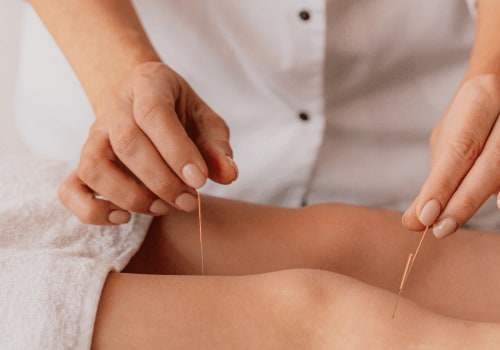
Acupuncture, a traditional Chinese medicine practice, involves inserting thin needles into specific points on the body.This technique is believed to stimulate the body's natural pain-relieving mechanisms and improve circulation. Research has shown that acupuncture can be effective in reducing pain and improving function in arthritis patients. Many individuals report experiencing less stiffness and increased mobility after a series of treatments.
Massage Therapy Benefits
Massage therapy is another alternative treatment that can provide significant benefits for those suffering from arthritis. By manipulating the muscles and soft tissues, massage can help reduce tension, improve blood flow, and enhance flexibility.Regular massage sessions may lead to decreased pain levels and improved quality of life for arthritis sufferers.
- Reduces muscle tension: Massage helps relax tight muscles surrounding the joints, which can alleviate discomfort.
- Enhances circulation: Improved blood flow can aid in the healing process and reduce inflammation.
- Promotes relaxation: The soothing effects of massage can help reduce stress and anxiety, which are often exacerbated by chronic pain.
Herbal Remedies and Natural Supplements
When exploring arthritis therapy, many individuals seek out herbal remedies and natural supplements as alternatives or complements to conventional treatments. These options can provide relief from symptoms and improve overall joint health.Herbal Remedies for Arthritis
Several herbs have been studied for their potential benefits in managing arthritis symptoms:- Ginger: Known for its anti-inflammatory properties, ginger can help reduce swelling and pain associated with arthritis. It can be consumed fresh, in teas, or as a supplement.
- Willow Bark: Often referred to as nature's aspirin, willow bark has been used for centuries to alleviate pain.
It contains salicin, which may help reduce inflammation.
- Cayenne Pepper: The active component, capsaicin, can provide temporary relief from pain when applied topically. It works by reducing substance P, a chemical that transmits pain signals to the brain.
Natural Supplements for Joint Health
In addition to herbal remedies, various natural supplements can support joint health:- Glucosamine and Chondroitin: These supplements are often taken together to help maintain cartilage and reduce joint pain.
- Omega-3 Fatty Acids: Found in fish oil, omega-3s have anti-inflammatory effects that may help alleviate arthritis symptoms.
- Tumeric: This spice contains curcumin, a compound with potent anti-inflammatory properties. Studies suggest that turmeric may help reduce joint pain and improve function in people with arthritis.
Emerging Therapies: What the Future Holds
As the field of arthritis therapy continues to evolve, researchers are exploring a variety of emerging therapies that hold promise for improving patient outcomes.These innovative approaches aim to address the limitations of traditional treatments and offer new hope for those living with arthritis.
Biologic Therapies
- Targeted biologics: These medications are designed to target specific components of the immune system that contribute to inflammation and joint damage. Recent studies have shown that biologics can significantly reduce symptoms and improve quality of life for patients with rheumatoid arthritis.
- Gene therapy: This cutting-edge approach involves modifying genes to enhance the body’s ability to fight inflammation. Early research indicates that gene therapy could potentially provide long-lasting relief from arthritis symptoms.
Regenerative Medicine
- Stem cell therapy: Stem cells have the potential to regenerate damaged tissues and reduce inflammation. Clinical trials are currently underway to assess the effectiveness of stem cell injections in treating various forms of arthritis.
- Tissue engineering: Researchers are investigating ways to create artificial cartilage using 3D printing technology, which could revolutionize joint repair and restoration.
Natural Compounds and Supplements
- Curcumin and Boswellia: These natural anti-inflammatory compounds are being studied for their potential to alleviate arthritis symptoms without the side effects associated with conventional medications.
- Omega-3 fatty acids: Found in fish oil, omega-3s have shown promise in reducing joint pain and stiffness, making them a valuable addition to arthritis therapy regimens.
By staying informed about these advancements, individuals can better navigate their treatment choices and engage in discussions with their healthcare providers about the best strategies for managing their condition.
FAQs About Alternative Arthritis Treatments
When considering alternative treatments for arthritis therapy, many individuals have questions about their effectiveness and safety. Here are some frequently asked questions that can help clarify these concerns:- What are some common alternative treatments for arthritis?
Common alternative treatments include acupuncture, massage therapy, herbal supplements, and dietary changes. Each of these methods aims to reduce pain and improve mobility. - How effective are these alternative therapies?
The effectiveness of alternative therapies can vary from person to person. Some studies suggest that acupuncture may help alleviate pain for certain individuals, while others find relief through dietary adjustments or the use of specific supplements like glucosamine and chondroitin. - Are there any risks associated with alternative treatments?
While many alternative treatments are considered safe, it is essential to consult with a healthcare provider before starting any new therapy.Some herbal supplements can interact with medications or cause side effects.
- Can alternative treatments be used alongside traditional medicine?
Yes, many people find that combining alternative treatments with traditional medicine enhances their overall treatment plan. However, it is crucial to discuss this approach with a healthcare professional to ensure safety and effectiveness. - How do I know which alternative treatment is right for me?
Choosing the right treatment often involves trial and error. It may be beneficial to keep a journal of symptoms and responses to different therapies, which can help you and your healthcare provider make informed decisions.