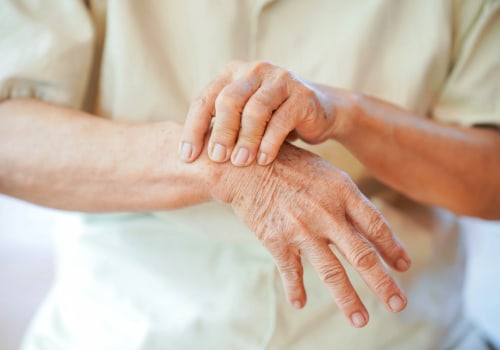
Arthritis therapy encompasses a range of treatments designed to alleviate the symptoms and improve the quality of life for individuals suffering from arthritis.
Arthritis
is a term that refers to over 100 different conditions affecting the joints, leading to pain, stiffness, and inflammation. As such, arthritis therapy is crucial for managing these symptoms and enabling patients to maintain their daily activities. The definition of arthritis therapy can vary depending on the type of arthritis and the individual’s specific needs. It may include a combination of medications, physical therapy, lifestyle changes, and alternative treatments.Each approach aims to reduce pain, enhance mobility, and prevent further joint damage. Understanding the various types of arthritis therapy available is essential for patients to make informed decisions about their treatment plans. From non-steroidal anti-inflammatory drugs (NSAIDs) to disease-modifying antirheumatic drugs (DMARDs), the landscape of arthritis therapy is diverse. Additionally, physical therapy can play a pivotal role in strengthening muscles around the joints and improving flexibility. By exploring these options, individuals can find a tailored approach that addresses their unique challenges and promotes long-term health.
Types of Arthritis Therapy
When it comes to arthritis therapy, understanding the various types available is essential for effective management of the condition.Each type of therapy offers unique benefits and can be tailored to meet individual needs.
Pharmacological Treatments
One of the most common approaches to arthritis therapy involves pharmacological treatments. These medications can help reduce inflammation, relieve pain, and improve joint function. Common categories include:- Nonsteroidal Anti-Inflammatory Drugs (NSAIDs): These are often the first line of defense against arthritis pain and inflammation.
- Corticosteroids: These powerful anti-inflammatory medications can provide quick relief but are typically used for short durations due to potential side effects.
- Disease-Modifying Antirheumatic Drugs (DMARDs): Primarily used for rheumatoid arthritis, these drugs can slow disease progression.
- Biologics: A newer class of DMARDs that target specific parts of the immune system.
Physical Therapy
Physical therapy is another vital component of arthritis management. A physical therapist can design a personalized exercise program that focuses on:- Improving flexibility and range of motion
- Strengthening muscles around affected joints
- Enhancing overall physical function and mobility
Alternative Therapies
In addition to conventional treatments, many individuals explore alternative therapies.These may include:
- Acupuncture: This ancient practice may help relieve pain and improve joint function.
- Meditation and Mindfulness: Stress reduction techniques can play a significant role in managing chronic pain.
- Nutritional Supplements: Omega-3 fatty acids and glucosamine are popular choices among those seeking natural relief.
Pharmacological Treatments for Arthritis
When it comes to arthritis therapy, pharmacological treatments play a crucial role in managing symptoms and improving the quality of life for those affected. The primary classes of medications used include nonsteroidal anti-inflammatory drugs (NSAIDs), disease-modifying antirheumatic drugs (DMARDs), and biologics.Nonsteroidal Anti-Inflammatory Drugs (NSAIDs)
NSAIDs are often the first line of defense in arthritis therapy. They work by reducing inflammation and alleviating pain. Common over-the-counter options include ibuprofen and naproxen, while prescription NSAIDs may offer stronger relief.However, long-term use can lead to side effects such as gastrointestinal issues, cardiovascular problems, and kidney damage.
Disease-Modifying Antirheumatic Drugs (DMARDs)
DMARDs are designed to slow the progression of arthritis and prevent joint damage. Medications like methotrexate and sulfasalazine fall into this category. They target the underlying immune response that contributes to inflammation. While effective, DMARDs can have significant side effects, including liver toxicity and increased susceptibility to infections, necessitating regular monitoring by healthcare providers.Biologics
Biologics represent a newer class of drugs that specifically target components of the immune system involved in the inflammatory process.Examples include tumor necrosis factor (TNF) inhibitors like etanercept and adalimumab. These medications can be highly effective for many patients but come with risks such as serious infections and potential malignancies.In conclusion, while pharmacological treatments are essential in arthritis therapy, they must be carefully managed due to their potential side effects. Patients should work closely with their healthcare providers to determine the most appropriate medication regimen tailored to their specific needs.
Physical Therapy and Rehabilitation
Physical therapy plays a crucial role in the management of arthritis therapy, offering tailored approaches to alleviate pain and enhance mobility. Through a combination of targeted exercises and rehabilitation techniques, individuals suffering from arthritis can experience significant improvements in their daily lives.Physical Therapy for Arthritis
Physical therapists assess each patient's unique condition and develop personalized treatment plans.These plans often include:
- Range of motion exercises: These gentle movements help maintain joint flexibility and prevent stiffness.
- Strengthening exercises: Focused on building muscle around affected joints, these exercises can provide better support and reduce strain.
- Aerobic conditioning: Low-impact activities such as swimming or cycling improve overall fitness without putting excessive pressure on the joints.
Rehabilitation Exercises for Arthritis
Incorporating specific rehabilitation exercises into a routine can be highly beneficial. Some effective options include:- Water therapy: Exercising in water reduces joint stress while allowing for a full range of motion.
- Stretching routines: Regular stretching can enhance flexibility and reduce muscle tension around the joints.
- Balance training: Activities that improve balance can help prevent falls, which is particularly important for those with arthritis.
Benefits of Physical Therapy
The benefits of engaging in physical therapy for arthritis are numerous:- Pain reduction: Targeted exercises can help alleviate discomfort associated with arthritis.
- Improved mobility: Regular physical activity enhances joint function and overall movement.
- Enhanced quality of life: By managing symptoms effectively, individuals can participate more fully in daily activities and enjoy a better quality of life.
Alternative Therapies for Arthritis Management
When it comes to managing arthritis, many individuals are increasingly turning to alternative therapies as a complement to traditional medical treatments. These therapies often focus on a more holistic approach, addressing not just the physical symptoms but also the emotional and psychological aspects of living with arthritis.Acupuncture
Acupuncture is an ancient Chinese practice that involves inserting thin needles into specific points on the body.Research has shown that acupuncture may help reduce pain and improve function in arthritis patients by stimulating the body's natural painkillers and promoting blood flow. Many patients report experiencing relief from joint pain and stiffness after a series of sessions.
Massage Therapy
Massage therapy can also be beneficial for those suffering from arthritis. Gentle massage techniques can help alleviate muscle tension, improve circulation, and enhance overall relaxation. Regular sessions may lead to reduced pain levels and improved mobility, making it a valuable addition to an arthritis management plan.Dietary Changes
Another important aspect of holistic approaches to arthritis treatment is dietary changes.Certain foods are known to have anti-inflammatory properties, which can help manage symptoms. Incorporating foods rich in omega-3 fatty acids, such as salmon and walnuts, along with plenty of fruits and vegetables, can support joint health. Additionally, some individuals find that eliminating processed foods and sugars can lead to significant improvements in their symptoms.
Natural Remedies
Many people also explore natural remedies, such as herbal supplements like turmeric or ginger, which are believed to have anti-inflammatory effects. However, it is crucial to consult with a healthcare provider before starting any new supplement regimen, as interactions with prescribed medications can occur.In conclusion, while alternative therapies for arthritis management may not replace conventional treatments, they can offer valuable support for many patients.By exploring options like acupuncture, massage therapy, dietary changes, and natural remedies, individuals may find a more comprehensive approach to managing their arthritis symptoms effectively.
Lifestyle Changes to Support Arthritis Therapy
Managing arthritis effectively often requires more than just medication; lifestyle changes can play a crucial role in enhancing the effectiveness of arthritis therapy. By adopting a holistic approach that includes dietary adjustments, regular exercise, and stress management techniques, individuals can significantly improve their quality of life.Dietary Adjustments
A well-balanced diet is essential for those living with arthritis. Certain foods can help reduce inflammation and alleviate symptoms. Consider incorporating the following into your meals:- Omega-3 fatty acids: Found in fish like salmon and sardines, these can help reduce joint stiffness.
- Fruits and vegetables: Rich in antioxidants, they combat oxidative stress.
Berries, spinach, and kale are particularly beneficial.
- Whole grains: Foods like brown rice and quinoa can help maintain a healthy weight, reducing stress on joints.
- Nuts and seeds: Almonds and flaxseeds provide healthy fats that may help decrease inflammation.
Exercise Routines
Regular physical activity is vital for maintaining joint function and overall health. Here are some recommended types of exercise:- Aerobic exercises: Activities like walking, swimming, or cycling can improve cardiovascular health while being gentle on the joints.
- Strength training: Building muscle around joints can provide better support. Focus on low-impact resistance exercises.
- Flexibility exercises: Stretching routines or yoga can enhance flexibility and reduce stiffness.
Stress Management Techniques
Stress can exacerbate arthritis symptoms, making it essential to incorporate stress-reducing practices into your daily routine. Consider the following techniques:- Meditation and mindfulness: These practices can help calm the mind and reduce pain perception.
- Deep breathing exercises: Simple breathing techniques can lower stress levels and promote relaxation.
- Adequate sleep: Prioritizing sleep hygiene is crucial for recovery and managing pain effectively.
Frequently Asked Questions about Arthritis Therapy
Arthritis therapy encompasses a variety of treatment options aimed at managing the symptoms and improving the quality of life for those affected by arthritis.Here are some frequently asked questions regarding arthritis therapy:
What are the most common types of arthritis therapy?
There are several effective therapies for arthritis, including:- Medications: Nonsteroidal anti-inflammatory drugs (NSAIDs), corticosteroids, and disease-modifying antirheumatic drugs (DMARDs) are commonly prescribed to reduce inflammation and pain.
- Physical therapy: Tailored exercise programs can help improve joint function and reduce stiffness.
- Occupational therapy: This focuses on modifying daily activities to minimize stress on affected joints.
- Surgery: In severe cases, surgical options such as joint replacement may be considered.
How effective is arthritis therapy?
The effectiveness of arthritis therapy varies from person to person. Many individuals experience significant relief from symptoms through a combination of treatments. Regular follow-ups with healthcare providers can help tailor therapies to individual needs.Are there any side effects associated with arthritis medications?
Yes, while medications can be effective, they may also come with side effects. Common side effects include:- Nausea
- Dizziness
- Increased risk of infections (especially with DMARDs)
- Gastrointestinal issues (with NSAIDs)
Can lifestyle changes help in managing arthritis?
Absolutely! Incorporating healthy lifestyle changes can significantly enhance the effectiveness of arthritis therapy.Consider the following:
- Regular exercise: Low-impact activities like swimming or walking can improve joint mobility.
- A balanced diet: Foods rich in omega-3 fatty acids, antioxidants, and vitamins can help reduce inflammation.
- Mental health support: Stress management techniques such as yoga or meditation can also play a role in managing symptoms.
Conclusion: The Path Forward in Arthritis Therapy
In conclusion, arthritis therapy encompasses a multifaceted approach that is essential for effectively managing this chronic condition. Throughout the article, we have explored various therapeutic options, including medication, physical therapy, lifestyle modifications, and alternative treatments. Each of these components plays a crucial role in alleviating symptoms and improving the quality of life for those affected by arthritis.It is important to recognize that no single therapy will work for everyone. A personalized treatment plan, developed in collaboration with healthcare professionals, can help patients find the most effective combination of therapies tailored to their specific needs.This comprehensive approach not only addresses the physical aspects of arthritis but also considers emotional and psychological well-being.
- Medications: Nonsteroidal anti-inflammatory drugs (NSAIDs) and disease-modifying antirheumatic drugs (DMARDs) are often foundational in managing pain and inflammation.
- Physical Therapy: Engaging in targeted exercises can enhance mobility and strengthen muscles around affected joints.
- Lifestyle Changes: Incorporating a balanced diet, maintaining a healthy weight, and staying active are vital for long-term management.
- Alternative Therapies: Techniques such as acupuncture, massage, and mindfulness can provide additional relief and support overall wellness.