Arthritis is a term that encompasses over 100 different conditions affecting the joints, leading to pain, stiffness, and inflammation. The most common types include osteoarthritis, which is primarily associated with wear and tear on the joints, and rheumatoid arthritis, an autoimmune disorder that causes the body to attack its own joint tissues. Understanding these distinctions is crucial, as they influence not only the symptoms experienced but also the treatment options available. The impact of arthritis extends far beyond physical discomfort. For many individuals, daily activities such as walking, climbing stairs, or even gripping objects can become challenging.
This can lead to a significant decline in quality of life, affecting emotional well-being and social interactions. The chronic pain associated with arthritis can result in feelings of frustration and isolation, making it essential to address both the physical and psychological aspects of this condition. Recognizing the multifaceted nature of arthritis is vital for those seeking effective management strategies. As we delve deeper into the benefits of arthritis therapy, it becomes clear that a comprehensive approach can not only alleviate symptoms but also empower individuals to reclaim their lives and engage more fully in their daily activities.
What is Arthritis Therapy?
Arthritis therapy encompasses a range of treatments designed to alleviate the symptoms of arthritis, a condition characterized by inflammation and pain in the joints. The primary goal of these therapies is to improve joint function, reduce pain, and enhance the overall quality of life for individuals affected by this chronic condition.Types of Arthritis Therapy
- Physical Therapy: This type involves exercises and manual techniques aimed at improving mobility and strength in affected joints.
A physical therapist may design a personalized exercise program that focuses on flexibility, strength training, and endurance.
- Medications: Various medications are available to manage arthritis symptoms. Nonsteroidal anti-inflammatory drugs (NSAIDs) help reduce pain and inflammation, while disease-modifying antirheumatic drugs (DMARDs) can slow the progression of certain types of arthritis.
- Alternative Therapies: Many individuals explore alternative therapies such as acupuncture, massage, or dietary supplements. These approaches can complement traditional treatments and provide additional relief from symptoms.
How Arthritis Therapy Works
The effectiveness of arthritis therapy lies in its multifaceted approach. For instance, physical therapy not only strengthens muscles around the joints but also improves range of motion, which can significantly reduce stiffness.Medications work by targeting the underlying inflammation or pain pathways in the body, providing relief that allows individuals to engage more fully in daily activities.Moreover, alternative therapies often focus on holistic well-being, addressing both physical and emotional aspects of living with arthritis. By combining these various treatment modalities, patients can experience a more comprehensive management plan that caters to their unique needs.
Physical Therapy for Arthritis Relief
Physical therapy is a cornerstone in the management of arthritis, offering numerous benefits that can significantly enhance the quality of life for those affected by this condition. One of the primary advantages of arthritis therapy through physical therapy is the improvement in mobility. Tailored exercises help to strengthen the muscles surrounding the joints, which can lead to better support and stability.Benefits of Physical Therapy for Arthritis:
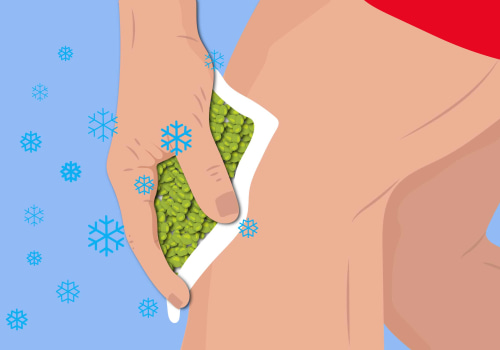
- Pain Reduction: Physical therapists employ various techniques to alleviate pain, including manual therapy and modalities such as heat or cold treatments.
- Increased Range of Motion: Specific stretching and strengthening exercises can enhance flexibility, allowing for a greater range of motion in affected joints.
- Improved Functionality: By focusing on functional exercises, patients can regain independence in daily activities, making it easier to perform tasks without discomfort.
- Education and Self-Management: Physical therapists educate patients about their condition and teach self-management strategies, empowering them to take control of their health.
Exercises for Arthritis:
Physical therapists often recommend a combination of aerobic, strengthening, and flexibility exercises.
Low-impact activities such as swimming or cycling are excellent for maintaining cardiovascular health without putting undue stress on the joints. Strength training with light weights or resistance bands can help build muscle strength, while gentle stretching routines improve flexibility.
Physical Therapy Techniques:
Common techniques used in physical therapy for arthritis include:
- Manual Therapy: Hands-on techniques that mobilize joints and soft tissues to relieve pain and improve function.
- Therapeutic Ultrasound: This technique uses sound waves to promote tissue healing and reduce inflammation.
- Taping Techniques: Kinesiology taping can provide support to joints while allowing for full range of motion.
Medications Used in Arthritis Therapy
Arthritis therapy often involves a range of medications designed to alleviate pain, reduce inflammation, and improve joint function. Understanding the different types of medications available can help patients make informed decisions about their treatment options.Types of Arthritis Medications
- Nonsteroidal Anti-Inflammatory Drugs (NSAIDs): These are commonly prescribed for pain relief and to reduce inflammation.
Examples include ibuprofen and naproxen. They can be effective in managing mild to moderate arthritis pain.
- Corticosteroids: Medications like prednisone can quickly reduce inflammation and suppress the immune system's response, providing significant relief for severe arthritis symptoms.
- Disease-Modifying Antirheumatic Drugs (DMARDs): These are used primarily for rheumatoid arthritis and work by slowing disease progression. Methotrexate is a well-known DMARD that can help prevent joint damage.
- Biologics: A newer class of DMARDs, biologics target specific parts of the immune system. They are often used when traditional DMARDs are ineffective.
- Analgesics: Medications like acetaminophen can help relieve pain but do not address inflammation.
They are often recommended for patients who cannot tolerate NSAIDs.
Benefits of Pain Relief Medications for Arthritis
The primary benefit of these medications is pain relief. By managing pain effectively, patients can maintain a better quality of life, engage in daily activities, and improve their overall well-being. Additionally, reducing inflammation can help prevent further joint damage, which is crucial for long-term health.Potential Side Effects
While arthritis medications can be highly effective, they may also come with side effects. Common side effects include:- Gastrointestinal issues such as ulcers or bleeding (especially with NSAIDs)
- Weight gain and mood changes (often associated with corticosteroids)
- Liver damage (potentially from long-term use of DMARDs)
- Increased risk of infections (particularly with biologics)
Alternative Therapies for Arthritis Management
When it comes to managing arthritis, many individuals seek alternative therapies that can complement traditional treatments.These therapies often focus on holistic approaches, aiming to alleviate pain and improve overall well-being.
Acupuncture for Arthritis
Acupuncture is a time-honored practice rooted in traditional Chinese medicine. It involves the insertion of fine needles into specific points on the body to stimulate energy flow and promote healing. Research has shown that acupuncture can be effective in reducing pain and improving function in arthritis patients. By targeting specific pressure points, acupuncture may help decrease inflammation and enhance the body’s natural pain-relief mechanisms.Herbal Remedies for Arthritis
Another popular alternative therapy is the use of herbal remedies.Various herbs have been studied for their anti-inflammatory properties and potential benefits for arthritis sufferers. Some of the most commonly used herbs include:
- Turmeric: Contains curcumin, which has strong anti-inflammatory effects.
- Ginger: Known for its ability to reduce pain and inflammation.
- Boswellia: Often used in Ayurvedic medicine, it may help improve joint function.
Psychological Benefits of Arthritis Therapy
Living with arthritis can significantly impact not only physical health but also mental health.The chronic pain and limitations associated with arthritis often lead to feelings of frustration, anxiety, and depression. Engaging in arthritis therapy can provide essential psychological benefits that enhance overall well-being.
Improved Coping Strategies
- Therapy equips patients with effective coping strategies to manage the emotional toll of arthritis. Techniques such as cognitive-behavioral therapy (CBT) help individuals reframe negative thoughts and develop a more positive outlook.
- Patients learn to identify triggers that exacerbate their emotional distress, allowing them to address these issues proactively.
Emotional Support
- Therapists provide a safe space for patients to express their feelings and frustrations. This emotional support is crucial for those who may feel isolated due to their condition.
- Group therapy sessions can foster a sense of community, where individuals share experiences and coping mechanisms, reducing feelings of loneliness.
Enhanced Quality of Life
- By addressing the psychological aspects of living with arthritis, therapy can lead to an improved quality of life.
Patients often report increased motivation to engage in daily activities and pursue hobbies they enjoy.
- A positive mental state can also contribute to better physical health outcomes, as individuals are more likely to adhere to treatment plans and engage in physical activity.
Lifestyle Changes to Enhance Arthritis Therapy Outcomes
Enhancing the effectiveness of arthritis therapy often requires more than just medication; it involves making significant lifestyle changes. These modifications can lead to improved outcomes and a better quality of life for arthritis patients.Dietary Adjustments
A well-balanced diet plays a crucial role in managing arthritis symptoms.Certain foods can help reduce inflammation and promote joint health. Consider incorporating the following into your diet:
- Omega-3 Fatty Acids: Found in fish like salmon and sardines, these can help decrease joint stiffness.
- Fruits and Vegetables: Rich in antioxidants, they combat oxidative stress. Berries, cherries, and leafy greens are particularly beneficial.
- Whole Grains: Foods like brown rice and quinoa can help maintain a healthy weight, reducing stress on joints.
- Nuts and Seeds: Almonds and flaxseeds provide healthy fats that may alleviate inflammation.
Exercise Recommendations
Regular physical activity is essential for maintaining joint function and overall health. Here are some exercise recommendations for arthritis patients:- Aerobic Exercises: Low-impact activities such as swimming, cycling, or walking can improve cardiovascular health without putting too much strain on the joints.
- Strength Training: Building muscle around the joints can provide better support.
Focus on light weights or resistance bands to start.
- Flexibility Exercises: Stretching routines or yoga can enhance flexibility and reduce stiffness.
- Balance Exercises: Activities like tai chi can improve balance and prevent falls, which is particularly important for those with arthritis.
Frequently Asked Questions About Arthritis Therapy
Arthritis therapy can raise many questions for those seeking relief from joint pain and inflammation. Here are some of the most frequently asked questions regarding this treatment option.How long does therapy take to work?
The duration for arthritis therapy to show results can vary significantly based on several factors, including the type of therapy, the severity of the condition, and individual patient responses. Generally, patients may start to notice improvements within a few weeks of beginning therapy.However, for some, it may take several months to experience significant relief. It’s essential to maintain open communication with your healthcare provider to monitor progress and make necessary adjustments.
Can therapy cure arthritis?
While arthritis therapy can effectively manage symptoms and improve quality of life, it is important to understand that it does not cure arthritis. The primary goal of therapy is to reduce pain, enhance mobility, and prevent further joint damage. Various therapeutic approaches, such as physical therapy, occupational therapy, and medication management, can help control symptoms and slow disease progression.What types of therapies are available?
- Physical Therapy: Focuses on exercises and techniques to improve movement and strength.
- Occupational Therapy: Aims to help individuals perform daily activities with less pain.
- Cognitive Behavioral Therapy: Addresses the psychological aspects of living with chronic pain.
- Medication Management: Involves the use of anti-inflammatory drugs or disease-modifying antirheumatic drugs (DMARDs).
Conclusion: Embracing Arthritis Therapy for a Better Quality of Life
In conclusion, arthritis therapy plays a crucial role in enhancing the quality of life for individuals living with arthritis.By addressing both the physical and emotional aspects of this chronic condition, therapy provides a comprehensive approach to managing symptoms and improving overall well-being.Throughout this article, we have explored various benefits of arthritis therapy, including:
- Pain Management: Effective therapy techniques can significantly reduce pain levels, allowing individuals to engage in daily activities with greater ease.
- Improved Mobility: Therapeutic exercises and interventions help maintain joint function and flexibility, which are essential for maintaining an active lifestyle.
- Emotional Support: Therapy often includes psychological support, helping patients cope with the emotional challenges that accompany chronic pain and disability.
- Education and Self-Management: Patients learn valuable skills to manage their condition, empowering them to take control of their health.
- Community Connection: Participating in therapy can foster connections with others facing similar challenges, reducing feelings of isolation.