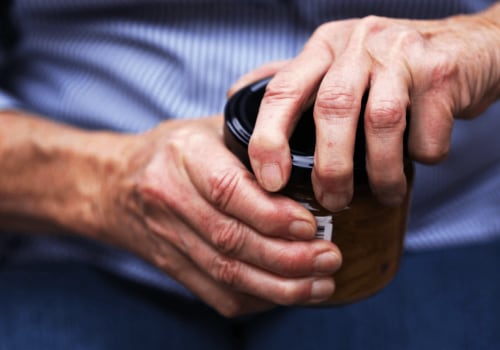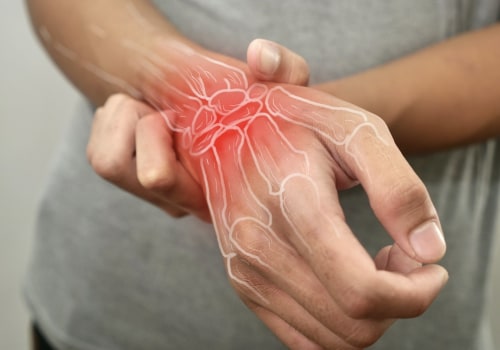
Arthritis is a common condition that affects millions of individuals, characterized by inflammation and pain in the joints. This debilitating disease can manifest in various forms, with osteoarthritis and rheumatoid arthritis being the most prevalent. Symptoms often include stiffness, swelling, and a reduced range of motion, which can significantly impact daily activities and overall quality of life. Understanding arthritis is crucial for effective arthritis pain management, as it allows patients to explore various treatment options tailored to their specific needs. Effective management of arthritis pain is essential not only for physical comfort but also for maintaining emotional well-being.
Chronic pain can lead to frustration, anxiety, and depression, making it vital to adopt a comprehensive approach to treatment. Among the various strategies available, heat therapy and cold therapy have emerged as popular non-invasive methods for alleviating discomfort. These therapies can provide immediate relief and help improve mobility, making them valuable tools in the arsenal against arthritis pain. As we delve deeper into the role of heat and cold therapy in treating arthritis pain, it becomes evident that these methods are not merely temporary fixes but integral components of a holistic approach to managing this complex condition. By understanding how these therapies work and when to apply them, individuals suffering from arthritis can take proactive steps toward enhancing their quality of life.
What is Arthritis?
Arthritis is a term that encompasses over 100 different conditions affecting the joints, leading to pain, stiffness, and inflammation.It can significantly impact daily activities and quality of life. Understanding the various types of arthritis is crucial for effective management and treatment.
Types of Arthritis
- Osteoarthritis: This is the most common form, often referred to as "wear and tear" arthritis. It occurs when the protective cartilage that cushions the ends of bones wears down over time, leading to pain and reduced mobility.
- Rheumatoid Arthritis: An autoimmune disorder where the body's immune system mistakenly attacks the joints, causing inflammation. This type can affect multiple joints and may lead to joint deformities if not treated.
- Psoriatic Arthritis: Associated with psoriasis, this type can cause joint pain and swelling along with skin lesions.
It varies in severity and can affect any joint.
- Gout: A form of inflammatory arthritis characterized by sudden and severe pain, redness, and swelling in the joints, often affecting the big toe. It results from excess uric acid in the blood.
Common Symptoms of Arthritis
The symptoms of arthritis can vary widely depending on the type but generally include:- Pain: Often worsens with activity and improves with rest.
- Stiffness: Particularly noticeable in the morning or after sitting for long periods.
- Swelling: Inflammation around the joints can lead to visible swelling.
- Reduced Range of Motion: Difficulty moving joints fully due to pain or stiffness.
- Fatigue: Many individuals experience a general sense of tiredness or malaise.
Understanding Pain in Arthritis
Arthritis is a complex condition that affects millions of individuals, leading to significant chronic pain and discomfort. Understanding the nature of this pain is crucial for effective management and treatment. The pain associated with arthritis primarily stems from inflammation in the joints, which can be triggered by various factors including age, genetics, and lifestyle choices.When arthritis develops, it can lead to the deterioration of cartilage—the protective tissue that cushions the ends of bones.This deterioration results in increased friction between bones, causing pain and stiffness. As the condition progresses, individuals may experience flare-ups where pain intensifies, often impacting their ability to perform daily activities.
How Arthritis Affects Joints
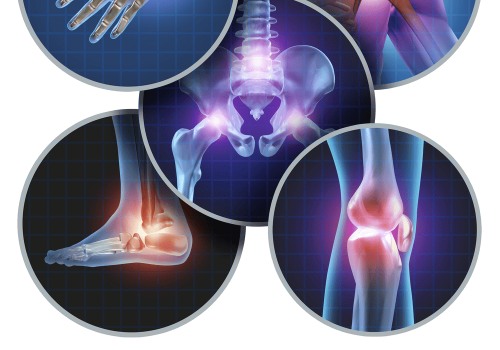
The impact of arthritis on joints is profound. Commonly affected areas include the knees, hips, hands, and spine. The inflammation can lead to:- Swelling: Inflamed tissues around the joints can cause visible swelling.
- Stiffness: Many individuals report stiffness, especially after periods of inactivity.
- Reduced Range of Motion: Pain and swelling can limit how far a joint can move.
- Joint Deformity: Over time, chronic inflammation may lead to changes in joint structure.
The persistent nature of arthritis pain can disrupt sleep patterns and reduce overall quality of life.Given these challenges, it is essential for those suffering from arthritis to explore various treatment options.
Arthritis therapy
, including both heat and cold treatments, can play a significant role in alleviating symptoms and improving functionality. Understanding the underlying causes of pain is the first step towards finding effective relief strategies.The Role of Heat Therapy in Arthritis Treatment
Heat therapy, also known as thermotherapy, involves the application of heat to the body to alleviate pain and improve circulation. For individuals suffering from arthritis, this method can be particularly beneficial in managing discomfort and enhancing mobility.Benefits of Heat Therapy for Arthritis
- Increased Blood Flow: Applying heat helps to dilate blood vessels, which increases blood flow to the affected areas.
This enhanced circulation can promote healing and reduce stiffness.
- Muscle Relaxation: Heat therapy can help relax tense muscles surrounding the joints, providing relief from pain and discomfort.
- Pain Relief: The soothing warmth can interrupt pain signals sent to the brain, offering immediate relief for arthritis sufferers.
- Improved Flexibility: Heat can make connective tissues more pliable, allowing for greater range of motion in stiff joints.
How to Use Heat Therapy Effectively
There are several methods to apply heat therapy effectively:- Heating Pads: Electric or microwaveable heating pads can be placed directly on the affected area for targeted relief. Ensure that the temperature is comfortable to avoid burns.
- Warm Baths or Showers: Soaking in warm water can provide overall relaxation and relieve joint stiffness. Adding Epsom salts may enhance the effect.
- Hot Towels: Soak a towel in hot water, wring it out, and apply it to the painful area. This method is portable and easy to use.
- Warm Compresses: A warm compress can be applied for 15-20 minutes at a time, providing localized heat to relieve discomfort.
Always consult with a healthcare professional before starting any new treatment regimen to ensure it aligns with your specific health needs.
Types of Heat Therapy Techniques
Heat therapy is a widely recognized method for alleviating arthritis pain, and it can be categorized into two primary techniques: moist heat therapy and dry heat therapy. Each method has its unique benefits and applications, making them suitable for different types of discomfort associated with arthritis.Moist Heat Therapy
Moist heat therapy involves the use of water to deliver warmth to the affected areas. This technique can be particularly effective for penetrating deeper into the tissues, which may help in reducing stiffness and improving circulation. Common methods of moist heat therapy include:- Warm baths: Soaking in a warm bath can provide relief to multiple joints simultaneously, making it an excellent option for those with widespread arthritis.
- Hot compresses: Applying a hot, damp towel or cloth to the affected area can help soothe pain and relax muscles.
- Steam packs: These packs can be applied directly to painful joints, offering targeted relief.
Dry Heat Therapy
In contrast, dry heat therapy utilizes heat sources that do not involve moisture.This method is often preferred for its convenience and ease of use. Some popular forms of dry heat therapy include:
- Heating pads: Electric or microwaveable heating pads are widely used for localized pain relief. They can be easily applied to specific joints and adjusted for temperature.
- Heat wraps: These are designed to conform to the body and provide consistent warmth over extended periods, making them ideal for chronic pain management.
- Infrared lamps: These devices emit infrared radiation that penetrates the skin, providing deep tissue warmth without direct contact.
The Role of Cold Therapy in Arthritis Treatment
Cold therapy, also known as cryotherapy, plays a significant role in managing arthritis pain by reducing inflammation and numbing sore tissues.This method is particularly beneficial for individuals experiencing acute flare-ups of arthritis, as it can provide immediate relief from discomfort.
Benefits of Cold Therapy
- Reduces Inflammation: Cold therapy constricts blood vessels, which helps decrease swelling and inflammation in the affected joints.
- Pain Relief: The numbing effect of cold can alleviate pain, making it easier for individuals to engage in daily activities.
- Improves Mobility: By reducing pain and swelling, cold therapy can enhance joint mobility, allowing for better movement.
- Prevents Further Injury: Applying cold can help prevent further damage to inflamed tissues during physical activity.
How to Use Cold Therapy
There are several effective methods for applying cold therapy:- Ice Packs: Wrap ice or a cold pack in a towel and apply it to the affected area for 15-20 minutes. Ensure there is a barrier to protect the skin from frostbite.
- Cryo-Cuffs: These specialized devices combine cold therapy with compression, providing targeted relief for swollen joints.
- Cold Compresses: Soak a cloth in cold water or use a gel pack. Apply it directly to the painful area for similar benefits as ice packs.
- Cold Baths or Showers: Immersing the affected joints in cold water can provide widespread relief, especially for larger areas of discomfort.
Types of Cold Therapy Techniques
Cold therapy is a widely recognized method for alleviating arthritis pain, and it encompasses various techniques that can be easily implemented at home or in clinical settings.Here, we will explore some effective cold therapy techniques, including the use of ice packs, cryotherapy, and cold compresses.
Ice Packs for Arthritis
One of the simplest and most accessible forms of cold therapy is the use of ice packs. These can be purchased at pharmacies or made at home by wrapping ice cubes in a towel. To effectively use ice packs:- Apply for 15-20 minutes: Place the ice pack on the affected joint for short intervals to avoid skin damage.
- Use a barrier: Always wrap the ice pack in a cloth or towel to protect your skin from direct contact with ice.
- Frequency: Ice packs can be used several times a day, especially after activities that exacerbate pain.
Cryotherapy for Arthritis
Cryotherapy, or cold therapy, involves exposing the body to extremely low temperatures for therapeutic benefits. This technique can be performed in specialized clinics and offers several advantages:- Whole-body cryotherapy: This method involves stepping into a chamber that cools the body rapidly, which may help reduce inflammation and pain.
- Localized cryotherapy: Targeted application of cold to specific joints can provide immediate relief from arthritis symptoms.
- Duration: Sessions typically last between 2 to 4 minutes, making it a quick option for pain relief.
Cold Compresses
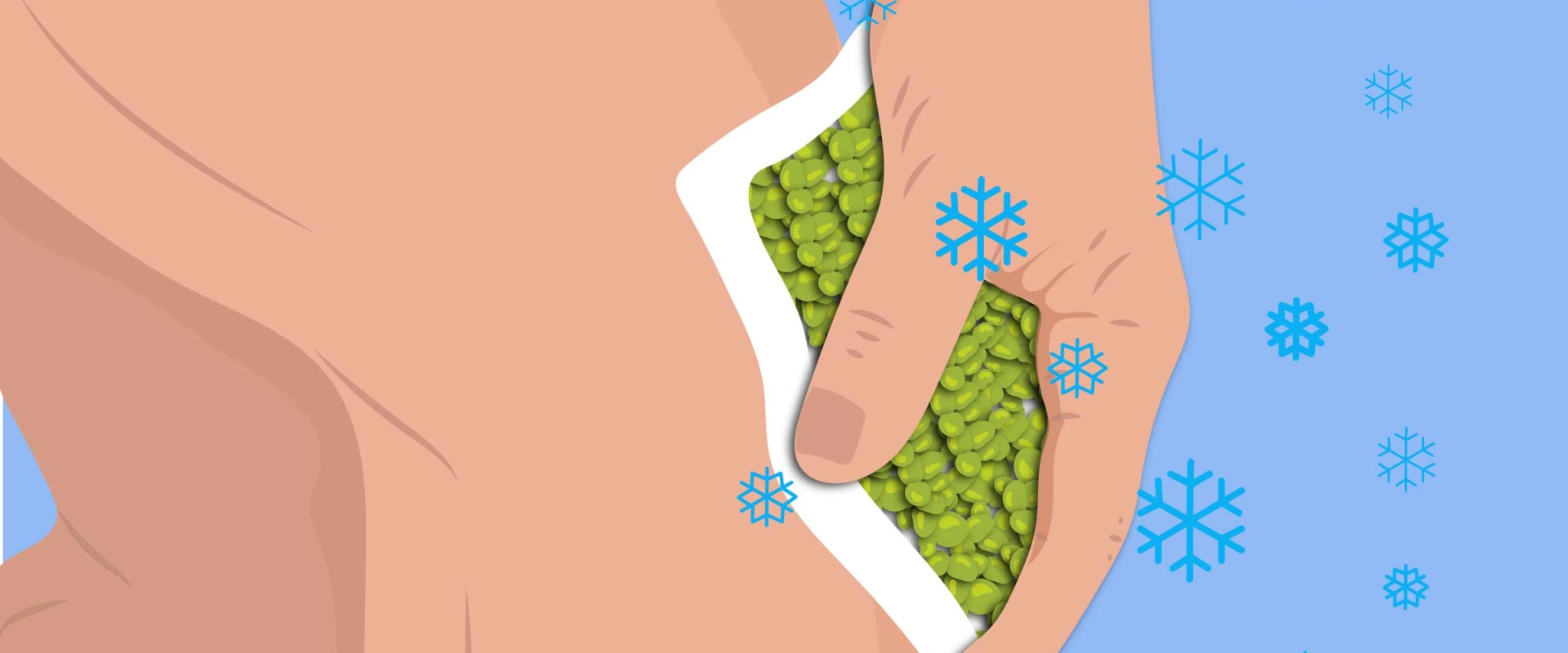
Cold compresses are another effective way to manage arthritis pain.These can be made using various materials, such as gel packs or even frozen vegetables wrapped in a cloth. Here’s how to use them effectively:
- Preparation: Ensure the compress is cold but not frozen solid; it should mold comfortably around the joint.
- Application: Similar to ice packs, apply for 15-20 minutes at a time.
- Post-application care: After removing the compress, allow your skin to return to normal temperature before reapplying.
Comparing Heat and Cold Therapy: When to Use Each?
When it comes to managing arthritis pain, understanding the differences between heat and cold therapy is crucial for effective relief. Each method serves distinct purposes and can be beneficial depending on the specific symptoms experienced.Heat Therapy
Heat therapy is particularly effective for muscle stiffness and chronic pain. Applying heat increases blood flow to the affected area, which can help relax tight muscles and alleviate discomfort.Here are some scenarios when heat therapy is recommended:
- Morning Stiffness: If you wake up with stiff joints, using a warm towel or heating pad can help loosen them up.
- Before Exercise: Applying heat before physical activity can prepare your muscles and joints, reducing the risk of injury.
- Chronic Pain Management: For ongoing pain, such as that from osteoarthritis, heat can provide soothing relief.
Cold Therapy
Cold therapy, on the other hand, is best suited for inflammation, swelling, and acute pain. Cold applications numb the area, which can significantly reduce pain and swelling. Consider using cold therapy in the following situations:- After Activity: If you experience increased pain after physical activity, applying ice can help reduce inflammation.
- Acute Flare-Ups: During sudden flare-ups of arthritis pain, cold packs can provide immediate relief.
- Soreness from Overuse: If you've overexerted yourself, cold therapy can help soothe sore muscles and joints.
Always listen to your body; if one method does not provide relief, consider switching to the other or consult with a healthcare professional for personalized advice.
Integrating Heat and Cold Therapy into a Comprehensive Arthritis Treatment Plan
Integrating heat and cold therapy into a comprehensive arthritis treatment plan can significantly enhance pain relief and improve overall joint function. Both therapies serve distinct purposes and can be effectively combined with other treatment modalities, such as medication and lifestyle changes, to create a holistic approach to arthritis management.Understanding the Benefits:
- Heat therapy helps to relax muscles and increase blood flow, which can alleviate stiffness and improve flexibility in affected joints.
- Cold therapy, on the other hand, reduces inflammation and numbs sharp pain, making it particularly useful during flare-ups.
- Assess Your Symptoms: Determine when your symptoms are most severe. Use cold therapy during acute pain episodes and heat therapy for chronic stiffness.
- Create a Schedule: Establish a routine that includes both therapies. For example, apply heat in the morning to ease stiffness and cold in the evening to reduce inflammation after daily activities.
- Combine with Other Treatments: Discuss with your healthcare provider how to integrate these therapies with medications, physical therapy, or exercise regimens for optimal results.
- Monitor Your Response: Keep track of how your body responds to each therapy.
Adjust the duration and frequency based on your comfort level and effectiveness.
'Frequently Asked Questions about Heat and Cold Therapy'
When it comes to managing arthritis pain, many individuals wonder about the effectiveness of heat and cold therapy. Here are some common questions and answers that can help clarify their roles in treatment.Is heat or cold better for arthritis?
The choice between heat and cold therapy often depends on the specific symptoms and individual preferences.Heat therapy
is generally more effective for muscle stiffness and chronic pain, as it helps to relax muscles and improve blood circulation.On the other hand, cold therapy is typically recommended for inflammation and acute pain, as it numbs the area and reduces swelling. Ultimately, the best approach may involve using both therapies at different times based on your symptoms.
How long should I apply heat or cold?
For optimal results, it is advisable to apply heat or cold for about 15 to 20 minutes at a time. This duration allows sufficient time for the therapy to take effect without risking skin damage. It’s important to monitor your skin's response; if you notice any adverse reactions, such as excessive redness or discomfort, discontinue use immediately.Can I alternate between heat and cold?
Yes, alternating between heat and cold can be beneficial for some individuals.This method can help manage pain more effectively by combining the soothing effects of heat with the numbing benefits of cold. A common approach is to start with heat therapy to relax muscles, followed by cold therapy to reduce inflammation. However, always listen to your body and adjust based on what feels best for you.In summary, understanding how to use heat and cold therapies effectively can significantly enhance your arthritis management strategy. Always consult with a healthcare professional before starting any new treatment regimen.
'Conclusion: The Importance of Personalized Pain Management'
In summary, heat and cold therapy play significant roles in the management of arthritis pain, offering patients effective options to alleviate discomfort and improve mobility.Heat therapy, through methods such as heating pads or warm baths, helps to relax muscles and increase blood flow, which can be particularly beneficial during periods of stiffness. Conversely, cold therapy, including ice packs or cold compresses, serves to reduce inflammation and numb sharp pain, making it an essential tool for managing flare-ups.However, it is crucial to recognize that the effectiveness of these therapies can vary from person to person. This variability underscores the importance of a personalized approach to arthritis treatment. Each individual's experience with arthritis is unique, influenced by factors such as the type of arthritis, the severity of symptoms, and personal preferences.
Therefore, what works for one patient may not be as effective for another.To develop a tailored pain management plan, patients should consider consulting with healthcare professionals who can provide guidance based on their specific needs. This may involve a combination of heat and cold therapy, along with other treatments such as physical therapy, medication, or lifestyle changes. By taking a comprehensive approach that includes both heat and cold therapy, individuals can better manage their arthritis pain and enhance their overall quality of life.Ultimately, understanding the roles of these therapies and how they fit into a broader treatment strategy is essential for anyone living with arthritis. Emphasizing a personalized approach not only empowers patients but also fosters a more effective management plan tailored to their unique circumstances.