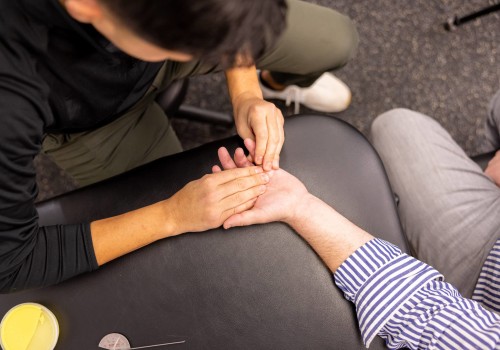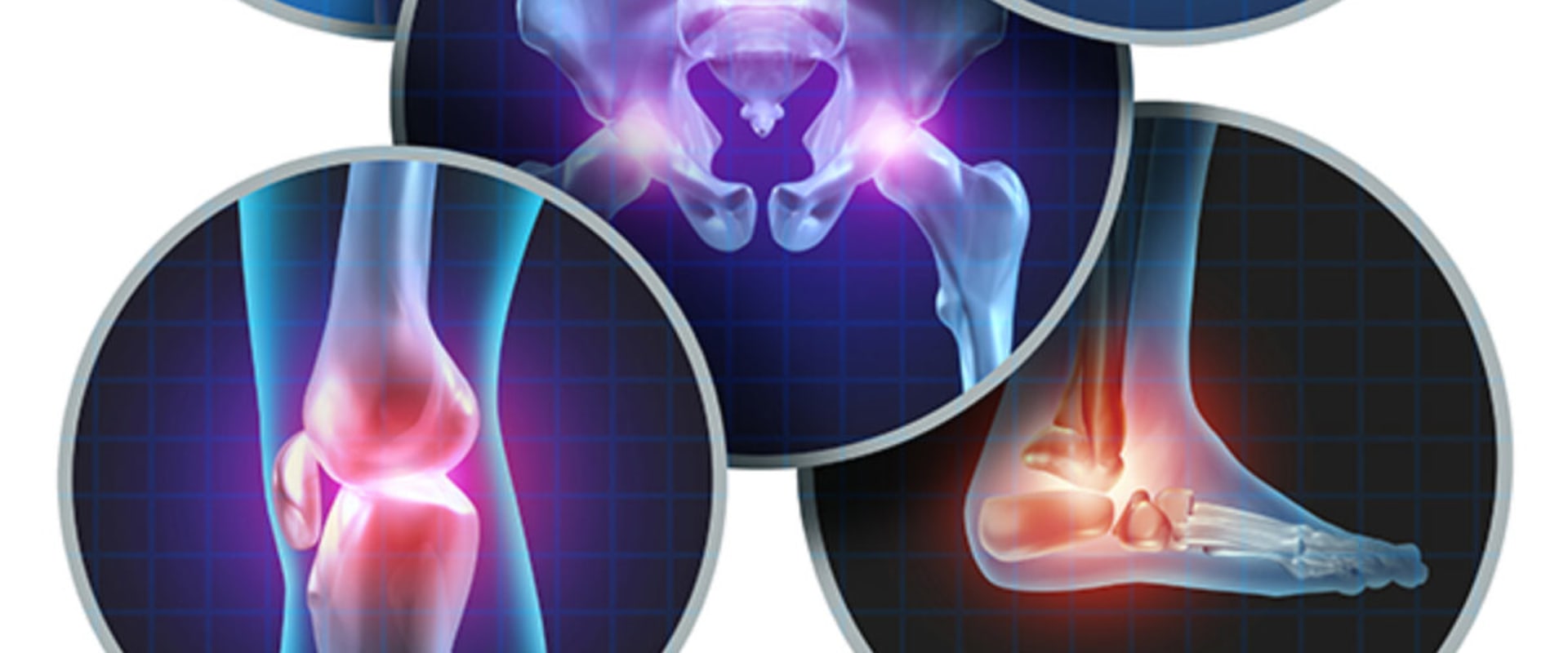
Arthritis is a term that encompasses over 100 different conditions affecting the joints, leading to pain, stiffness, and inflammation. The most common types include osteoarthritis, which is primarily associated with wear and tear on the joints, and rheumatoid arthritis, an autoimmune disorder that causes the body to attack its own joint tissues. Understanding these distinctions is crucial, as they influence both the symptoms experienced and the treatment options available. The symptoms of arthritis can vary widely but often include persistent joint pain, swelling, and reduced range of motion. In severe cases, individuals may experience debilitating discomfort that significantly impacts their daily activities and quality of life.
This chronic pain can lead to emotional distress, including anxiety and depression, further complicating the overall health of those affected. As we delve deeper into the topic of arthritis therapy, it is essential to recognize the profound impact this condition has on individuals and society as a whole. With millions of Americans living with arthritis, understanding its implications not only helps in managing symptoms but also highlights the importance of exploring various treatment options, including surgical interventions for severe cases. By addressing these aspects, we can better appreciate the necessity for effective therapies that aim to restore mobility and improve life quality for those suffering from this pervasive condition.
When is Surgery Considered for Arthritis?
Determining when to consider surgery for arthritis involves a careful evaluation of several factors, particularly in cases of severe arthritis. The decision is not taken lightly and typically follows a comprehensive assessment of the patient's condition, symptoms, and overall health. Here are some key criteria that may indicate the need for surgical intervention:- Persistent Pain: If a patient experiences chronic pain that does not respond to conservative treatments such as medications, physical therapy, or lifestyle modifications, surgery may be warranted.
- Loss of Function: Severe arthritis can lead to significant limitations in daily activities.
If joint function is severely compromised, making it difficult to perform routine tasks, surgical options should be explored.
- Joint Deformity: In cases where arthritis has caused visible deformities in the joints, surgical correction may be necessary to restore alignment and function.
- Progressive Joint Damage: Imaging studies may reveal ongoing deterioration of the joint structure. If this damage is progressive and threatens the integrity of surrounding tissues, surgery might be indicated.
- Arthroscopy: A minimally invasive procedure that allows surgeons to visualize and treat joint issues through small incisions.
- Osteotomy: This procedure involves reshaping bones to relieve pressure on the affected joint.
- Joint Replacement: In cases where the joint is severely damaged, total or partial joint replacement can provide significant relief and restore function.
Types of Surgical Procedures for Arthritis
When conservative treatments for arthritis fail to provide relief, surgical options for arthritis may be considered. These procedures aim to alleviate pain, restore function, and improve the quality of life for individuals suffering from severe arthritis.Below are some of the most common types of surgical procedures available:
- Joint Replacement Surgery: This is one of the most well-known surgical options for severe arthritis, particularly in weight-bearing joints like the hip and knee. During this procedure, the damaged joint surfaces are removed and replaced with artificial components made from metal, plastic, or ceramic. Joint replacement surgery can significantly reduce pain and improve mobility.
- Arthroscopy: This minimally invasive procedure involves inserting a small camera (arthroscope) into the joint through tiny incisions. It allows surgeons to visualize the joint and perform repairs, such as removing loose cartilage or bone fragments.
Arthroscopy is often used for diagnostic purposes as well as treatment, making it a versatile option for managing arthritis symptoms.
- Osteotomy: In cases where joint alignment contributes to arthritis pain, osteotomy may be performed. This procedure involves cutting and reshaping bones to relieve pressure on the affected joint. It is often used in younger patients to delay the need for joint replacement.
- Synovectomy: This surgery involves the removal of the synovial membrane, which can become inflamed in certain types of arthritis, such as rheumatoid arthritis. By reducing inflammation, synovectomy can help alleviate pain and improve joint function.
It is essential for patients to discuss their specific condition with a healthcare provider to determine the most appropriate surgical option based on their individual needs and overall health status.
Risks and Benefits of Surgical Treatments
When considering surgical treatments for arthritis, it is crucial to weigh the risks and benefits involved. Understanding these factors can help patients make informed decisions about their treatment options.Benefits of Surgical Treatment for Arthritis
- Pain Relief: One of the primary benefits of surgery is significant pain relief. Many patients experience a marked reduction in discomfort, allowing them to return to daily activities.
- Improved Mobility: Surgical interventions can enhance joint function, leading to improved mobility and a better quality of life.
- Long-term Solutions: Procedures such as joint replacement can provide long-lasting results, potentially eliminating the need for ongoing medication or therapy.
- Correcting Deformities: Surgery can correct joint deformities caused by severe arthritis, restoring normal alignment and function.
Risks of Arthritis Surgery
- Anesthesia Complications: As with any surgery, there are risks associated with anesthesia, including allergic reactions and respiratory issues.
- Infection: Post-surgical infections can occur, which may require additional treatment or hospitalization.
- Blood Clots: Patients may be at risk for blood clots following surgery, particularly in the legs.
- Joint Stiffness: Some patients may experience stiffness or reduced range of motion after surgery, which can affect recovery.
Ultimately, while surgical options for treating severe arthritis can offer substantial benefits, they also come with inherent risks that must be carefully considered.
Post-Surgery Recovery and Rehabilitation
Recovering from arthritis surgery is a crucial phase that significantly impacts the overall success of the procedure. Patients can expect a structured recovery process that includes both rehabilitation and physical therapy, tailored to their specific needs and the type of surgery performed.Initial Recovery Phase
In the first few days post-surgery, patients will focus on managing pain and swelling. This may involve:- Resting the affected joint to promote healing.
- Using ice packs to reduce inflammation.
- Taking prescribed medications to manage pain.
Rehabilitation Process
Once the initial recovery phase is complete, rehabilitation begins. This process is essential for restoring function and strength to the joint.Key components include:
- Physical Therapy: A physical therapist will design a personalized exercise program aimed at improving range of motion and strengthening surrounding muscles.
- Gradual Increase in Activity: Patients will gradually increase their activity levels, starting with gentle movements and progressing to more challenging exercises as tolerated.
- Education: Understanding proper body mechanics and joint protection techniques is vital to prevent future injuries.
Long-Term Considerations
Post-surgery recovery does not end with physical therapy. Patients should continue to monitor their joint health and maintain an active lifestyle. Regular follow-ups with healthcare providers are essential to assess progress and make any necessary adjustments to the rehabilitation plan.In summary, while the journey of recovery after arthritis surgery can be challenging, a well-structured rehabilitation program can lead to significant improvements in mobility and quality of life. Setting realistic expectations and adhering to prescribed therapies are key factors in achieving successful outcomes.Alternative Non-Surgical Treatments for Severe Arthritis
For individuals grappling with severe arthritis, exploring non-surgical treatments can provide significant relief and improve quality of life.While surgery may be a viable option for some, many patients find success through alternative therapies that focus on managing symptoms and enhancing mobility. One of the most common non-surgical treatments is physical therapy. A trained physical therapist can design a personalized exercise program that strengthens the muscles around the affected joints, improves flexibility, and reduces pain. Regular physical activity is crucial, as it helps maintain joint function and can alleviate stiffness. Another effective approach is the use of medications. Nonsteroidal anti-inflammatory drugs (NSAIDs) are often prescribed to reduce inflammation and relieve pain.
In some cases, corticosteroids may be injected directly into the joint to provide temporary relief from severe symptoms. Additionally, alternative therapies such as acupuncture have gained popularity among arthritis sufferers. This ancient practice involves inserting thin needles into specific points on the body to stimulate healing and reduce pain. Many patients report significant improvements in their symptoms after undergoing acupuncture treatments. Dietary changes can also play a crucial role in managing arthritis. Incorporating anti-inflammatory foods such as fatty fish, nuts, and leafy greens can help reduce inflammation levels in the body.
Supplements like omega-3 fatty acids and turmeric may also provide additional benefits. Lastly, mind-body techniques, including yoga and meditation, can help manage the emotional aspects of living with severe arthritis. These practices promote relaxation and stress reduction, which can indirectly alleviate pain and improve overall well-being. In conclusion, while surgical options exist for treating severe arthritis, numerous alternative therapies offer effective management strategies without the need for invasive procedures. By combining physical therapy, medication, dietary adjustments, alternative treatments, and mind-body practices, individuals can take proactive steps toward managing their arthritis symptoms effectively.
Frequently Asked Questions About Arthritis Surgery
When considering surgical options for arthritis therapy, patients often have numerous questions. Here are some of the most frequently asked questions regarding arthritis surgery:- What types of surgeries are available for arthritis?
There are several surgical options depending on the severity and type of arthritis.Common procedures include:
- Arthroscopy: A minimally invasive procedure that allows surgeons to view and treat joint issues using small incisions.
- Osteotomy: This involves reshaping bones to relieve pressure on the joint.
- Joint replacement: In severe cases, damaged joints may be replaced with artificial ones, such as hip or knee replacements.
- What are the risks associated with arthritis surgery?
As with any surgical procedure, there are risks involved, including:- Infection
- Blood clots
- Joint stiffness or instability
- Anesthesia complications
- How long is the recovery period after surgery?
Recovery times can vary significantly based on the type of surgery performed. Generally, patients can expect:- Arthroscopy: 1-2 weeks for initial recovery.
- Osteotomy: 6-12 weeks for full recovery.
- Joint replacement: 3-6 months for rehabilitation and regaining full function.
- Will surgery completely eliminate my arthritis pain?
While many patients experience significant pain relief after surgery, it is important to note that results can vary. Some may still experience discomfort or require additional treatments post-surgery.
Conclusion: Making Informed Decisions About Arthritis Therapy
In conclusion, navigating the complexities of arthritis therapy requires a thorough understanding of the available options, especially when considering surgical interventions for severe cases. Throughout this article, we have explored various surgical procedures, including joint replacement and arthroscopy, which can significantly improve quality of life for those suffering from debilitating arthritis.It is crucial to weigh the potential benefits against the risks associated with surgery.Factors such as age, overall health, and the specific type of arthritis play a vital role in determining the appropriateness of surgical options. Therefore, engaging in open discussions with healthcare providers is essential.
- Consultation: Seek multiple opinions from specialists to gain a comprehensive view of your condition and treatment options.
- Research: Educate yourself about the different types of surgeries and their outcomes to make an informed choice.
- Consider Non-Surgical Alternatives: Before opting for surgery, explore all non-invasive therapies that may alleviate symptoms.