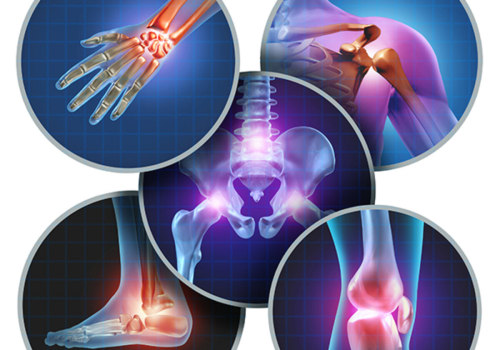
Arthritis therapy refers to a range of treatments designed to alleviate the symptoms and improve the quality of life for individuals suffering from arthritis, a condition characterized by inflammation and pain in the joints. This therapy encompasses various approaches, including physical therapy, medication, lifestyle modifications, and sometimes surgical interventions. Understanding arthritis therapy is crucial for patients seeking effective management strategies to cope with their condition. The definition of arthritis therapy extends beyond mere pain relief; it aims to enhance joint function, reduce inflammation, and prevent further joint damage. By employing a combination of treatments tailored to individual needs, healthcare providers can help patients regain mobility and maintain an active lifestyle.
The types of arthritis therapy can be broadly categorized into non-pharmacological methods, such as physical therapy and occupational therapy, and pharmacological treatments that include anti-inflammatory medications and disease-modifying antirheumatic drugs (DMARDs).Incorporating arthritis therapy into daily routines not only addresses the physical aspects of the disease but also supports emotional well-being. Many patients find that engaging in therapeutic exercises or participating in support groups significantly enhances their coping mechanisms. As we delve deeper into the various types of therapies available, it becomes evident that a comprehensive approach is essential for effective arthritis management.
The Mechanisms Behind Arthritis Therapy
Understanding the mechanisms behind arthritis therapy is essential for grasping how these treatments alleviate symptoms and enhance the quality of life for those affected by arthritis. Various therapies target different biological pathways, leading to significant improvements in joint function and pain management.One of the primary mechanisms involves the modulation of the immune system.Many forms of arthritis, such as rheumatoid arthritis, are autoimmune disorders where the body’s immune system mistakenly attacks its own tissues.
Biological therapies
, including monoclonal antibodies and cytokine inhibitors, specifically target these immune responses. By blocking inflammatory cytokines like tumor necrosis factor (TNF) or interleukin-6 (IL-6), these therapies reduce inflammation and slow disease progression.Another important mechanism is the alteration of pain perception.Analgesics
and nonsteroidal anti-inflammatory drugs (NSAIDs) work by inhibiting enzymes involved in the production of prostaglandins, which are compounds that promote inflammation and pain.By reducing prostaglandin levels, these medications help alleviate discomfort and improve mobility.
Physical therapy
also plays a crucial role in arthritis management. Through targeted exercises, physical therapy enhances joint stability and muscle strength, which can lead to improved function and reduced pain. The physiological effects of movement stimulate the production of synovial fluid, which lubricates joints and can help mitigate stiffness.In addition to these therapies, complementary approaches, such as acupuncture and dietary modifications, have been shown to provide relief for some individuals. These methods may influence pain pathways or reduce inflammation through various biological mechanisms.In summary, the effectiveness of arthritis therapy lies in its ability to target specific biological processes that contribute to inflammation and pain.
By understanding these mechanisms, patients can make informed decisions about their treatment options and work towards a more manageable and fulfilling life.
Types of Arthritis Therapy
When it comes to managing arthritis, understanding the types of arthritis therapy available is crucial for effective treatment. Each therapy option targets different aspects of the condition, allowing patients to choose a combination that best suits their needs.Pharmacological Treatments
One of the most common approaches to arthritis therapy involves medication. These pharmacological treatments can be categorized into several classes:- Nonsteroidal Anti-Inflammatory Drugs (NSAIDs): These medications help reduce inflammation and relieve pain. Common examples include ibuprofen and naproxen.
- Corticosteroids: Often prescribed for their potent anti-inflammatory effects, corticosteroids can provide quick relief from severe symptoms.
- Disease-Modifying Antirheumatic Drugs (DMARDs): These are used primarily for rheumatoid arthritis to slow disease progression and prevent joint damage.
- Biologics: A newer class of DMARDs, biologics target specific parts of the immune system that fuel inflammation.
Physical Therapies
In addition to medications, physical therapy plays a vital role in managing arthritis.This can include:
- Exercise Programs: Tailored exercise regimens can improve joint function and reduce stiffness.
- Occupational Therapy: This helps patients learn how to perform daily activities with less pain and strain on their joints.
Alternative Therapies
Many individuals also explore alternative therapies, which can complement traditional treatments. Some popular options include:- Acupuncture: This ancient practice may help alleviate pain and improve mobility.
- Meditation and Mindfulness: These techniques can assist in managing the emotional aspects of living with chronic pain.
Pharmacological Treatments for Arthritis
Arthritis therapy often involves a variety of pharmacological treatments aimed at alleviating pain, reducing inflammation, and slowing disease progression. The choice of medication depends on the type of arthritis and the severity of symptoms.Nonsteroidal Anti-Inflammatory Drugs (NSAIDs)
NSAIDs are commonly prescribed for arthritis therapy due to their effectiveness in providing pain relief and reducing inflammation. These medications work by inhibiting enzymes involved in the inflammatory process, thereby decreasing pain and swelling.Over-the-counter options like ibuprofen and naproxen are widely used, while stronger prescription NSAIDs may be necessary for more severe cases.
Disease-Modifying Antirheumatic Drugs (DMARDs)
DMARDs play a crucial role in managing autoimmune forms of arthritis, such as rheumatoid arthritis. Unlike NSAIDs, which primarily address symptoms, DMARDs target the underlying disease process. They work by suppressing the immune system to prevent joint damage and slow disease progression. Common DMARDs include methotrexate and sulfasalazine, which can take several weeks to show their full effects.Biologics
Biologics are a newer class of drugs that have revolutionized arthritis therapy.These medications are derived from living organisms and specifically target components of the immune system that fuel inflammation. Biologics can be particularly effective for patients who do not respond well to traditional DMARDs. Examples include tumor necrosis factor (TNF) inhibitors like etanercept and adalimumab, which have shown significant improvements in joint function and quality of life.In addition to these primary categories, pain relief medications, such as corticosteroids, may also be utilized for short-term management of severe flare-ups. While effective, these should be used cautiously due to potential side effects with long-term use.Overall, the landscape of arthritis therapy is diverse, with various medications available to tailor treatment plans to individual needs.
Regular consultations with healthcare providers are essential to monitor effectiveness and adjust therapies as necessary.
Physical Therapy and Rehabilitation Techniques
Physical therapy plays a crucial role in the management of arthritis therapy, focusing on improving mobility, reducing pain, and enhancing the overall quality of life for patients. Through tailored rehabilitation techniques, physical therapists can help individuals with arthritis regain strength and flexibility.Benefits of Physical Therapy for Arthritis
Engaging in physical therapy for arthritis offers numerous benefits, including:- Improved Range of Motion: Targeted exercises can help increase joint flexibility and reduce stiffness.
- Pain Management: Therapists employ various modalities such as heat, cold, and electrical stimulation to alleviate discomfort.
- Strength Building: Strengthening exercises are designed to support the muscles around affected joints, providing better stability.
- Education: Patients learn about their condition and how to manage symptoms effectively through lifestyle modifications.
Rehabilitation Techniques for Arthritis
Several rehabilitation techniques are commonly used in arthritis therapy, including:- Aquatic Therapy: Exercising in water reduces stress on joints while allowing for a full range of motion.
- Manual Therapy: Hands-on techniques by therapists can help improve circulation and relieve tension in affected areas.
- Therapeutic Exercises: Customized exercise programs focus on low-impact activities such as walking, cycling, or yoga to enhance endurance and strength.
Exercises for Arthritis Patients
Incorporating specific exercises into daily routines can significantly benefit arthritis patients. Some recommended exercises include:- Stretching: Gentle stretching helps maintain flexibility and prevent stiffness.
- Strength Training: Using light weights or resistance bands can build muscle strength without overstraining joints.
- Aerobic Activities: Low-impact activities like swimming or walking improve cardiovascular health while being easy on the joints.
Alternative and Complementary Therapies
When exploring arthritis therapy, many individuals seek out alternative and complementary therapies to enhance their treatment regimen. These approaches can provide relief from symptoms and improve overall well-being.Acupuncture
Acupuncture is a traditional Chinese medicine technique that involves inserting thin needles into specific points on the body.Research has shown that acupuncture may help reduce pain and improve function in people with arthritis. By stimulating the body's natural painkillers and increasing blood flow, acupuncture can be a valuable addition to conventional treatments.
Massage Therapy
Massage therapy is another popular alternative for those suffering from arthritis. This hands-on approach can help alleviate muscle tension, improve circulation, and promote relaxation. Regular massage sessions may lead to reduced pain levels and enhanced mobility, making it an effective complementary treatment.Dietary Changes
Diet plays a crucial role in managing arthritis symptoms.Incorporating anti-inflammatory foods such as:
- Fatty fish (rich in omega-3 fatty acids)
- Berries (high in antioxidants)
- Nuts (source of healthy fats)
- Leafy greens (packed with vitamins and minerals)
Mind-Body Techniques
Mind-body techniques, such as yoga and meditation, can also play a significant role in arthritis therapy. These practices promote relaxation, reduce stress, and enhance mental clarity, which can be beneficial for managing chronic pain. Engaging in gentle yoga can improve flexibility and strength while fostering a sense of calm.In conclusion, exploring alternative therapies for arthritis, such as acupuncture, massage, dietary changes, and mind-body techniques, can provide a holistic approach to managing symptoms.It is essential to consult with healthcare professionals before starting any new treatment to ensure it complements existing therapies effectively.
The Role of Lifestyle Changes in Arthritis Management
Managing arthritis effectively often requires a multifaceted approach, and lifestyle changes play a crucial role in complementing traditional therapies. By making informed choices about diet, exercise, and stress management, patients can significantly improve their quality of life.Diet Modifications
A well-balanced diet can help reduce inflammation and alleviate symptoms associated with arthritis. Incorporating anti-inflammatory foods such as:- Fatty fish (like salmon and mackerel) rich in omega-3 fatty acids
- Fruits and vegetables, particularly berries, leafy greens, and cruciferous vegetables
- Nuts and seeds, which provide healthy fats and antioxidants
- Whole grains that are high in fiber
Exercise Routines
Regular physical activity is vital for maintaining joint function and overall health.Low-impact exercises such as:
- Swimming
- Cycling
- Walking
- Yoga or Pilates
Stress Management Techniques
Chronic stress can exacerbate arthritis symptoms, making stress management techniques essential. Practices such as:- Meditation
- Deep breathing exercises
- Mindfulness practices
- Aromatherapy or massage therapy
Frequently Asked Questions about Arthritis Therapy
Arthritis therapy encompasses a variety of treatment options aimed at managing symptoms and improving the quality of life for those affected by arthritis.Here are some frequently asked questions regarding arthritis therapy:
What are the common types of arthritis therapy?
There are several approaches to arthritis therapy, including:- Medications: These can range from over-the-counter pain relievers to prescription drugs that target inflammation and immune response.
- Physical therapy: Tailored exercises and stretches can help improve joint function and reduce stiffness.
- Occupational therapy: This focuses on modifying daily activities to minimize strain on affected joints.
- Surgical options: In severe cases, procedures such as joint replacement may be considered.
How do medications work in arthritis therapy?
Medications play a crucial role in managing arthritis symptoms. They can help reduce inflammation, alleviate pain, and slow disease progression. Common classes of medications include:- Nonsteroidal anti-inflammatory drugs (NSAIDs): These help relieve pain and reduce inflammation.
- Disease-modifying antirheumatic drugs (DMARDs): These are used primarily for rheumatoid arthritis to slow down the disease's progression.
- Corticosteroids: These can quickly reduce inflammation and suppress the immune system.
Are there any concerns with arthritis medications?
While medications can be effective, they may also come with potential side effects. Some common concerns include:- Gastrointestinal issues: NSAIDs can cause stomach irritation or ulcers.
- Increased risk of infections: Immunosuppressive drugs may heighten susceptibility to infections.
- Liver or kidney damage: Long-term use of certain medications can affect organ function.
Conclusion: The Future of Arthritis Therapy
In conclusion, arthritis therapy encompasses a wide range of treatment options that aim to alleviate pain, improve joint function, and enhance the overall quality of life for those affected by this chronic condition.Throughout this article, we have explored various therapeutic approaches, including pharmacological treatments, physical therapy, and emerging technologies such as biologics and gene therapy.As we look to the future of arthritis therapy, several key trends and advancements are worth noting:
- Personalized Medicine: The shift towards personalized treatment plans based on genetic and environmental factors is gaining momentum. This approach allows for more effective management of arthritis symptoms tailored to individual patient needs.
- Innovative Therapies: Research into new therapies, including stem cell treatments and regenerative medicine, holds promise for repairing damaged joints and potentially reversing the effects of arthritis.
- Telehealth Integration: The rise of telehealth services has made it easier for patients to access care and manage their conditions remotely, ensuring they receive timely support without the need for frequent in-person visits.
- Holistic Approaches: There is a growing recognition of the importance of holistic therapies, including diet modifications, exercise regimens, and mental health support, which can complement traditional medical treatments.