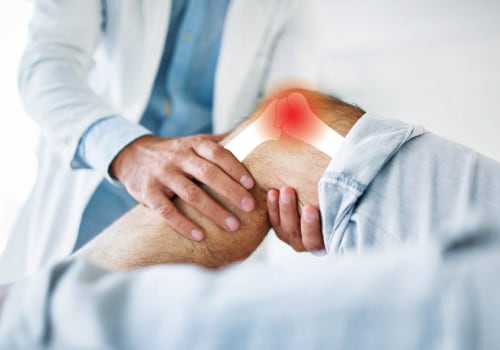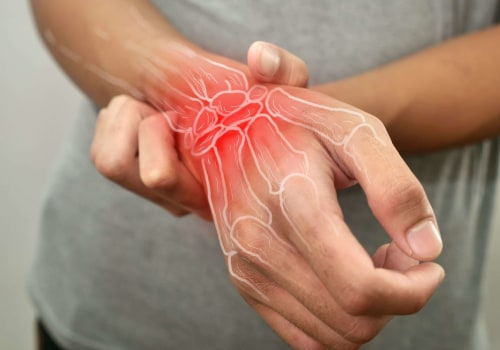
Managing arthritis symptoms can often feel like an uphill battle, but one of the most effective strategies lies in the often-overlooked realms of rest and relaxation. These two elements are not merely luxuries; they are essential components of a comprehensive arthritis therapy plan. When the body is under constant strain from inflammation and pain, allowing it time to recuperate can significantly enhance overall well-being and improve quality of life. Rest is crucial for individuals with arthritis, as it provides the body with the opportunity to heal and regenerate. During periods of rest, inflammation levels can decrease, and joint stiffness may be alleviated.
This is particularly important for those who experience flare-ups, as adequate rest can help mitigate the severity and duration of these episodes. Furthermore, incorporating relaxation techniques such as deep breathing, meditation, or gentle yoga can further support this healing process by reducing stress levels, which are known to exacerbate arthritis symptoms. In essence, understanding the connection between rest, relaxation, and effective arthritis management is vital for anyone navigating this chronic condition. By prioritizing these practices within their daily routines, individuals can create a more balanced approach to their arthritis therapy, ultimately leading to improved physical function and emotional resilience. As we delve deeper into this topic, we will explore specific strategies that can enhance rest and relaxation, making them integral parts of an effective arthritis management plan.
Understanding Arthritis: Types and Symptoms
Arthritis is a term that encompasses over 100 different types of inflammatory joint diseases, each with its own unique characteristics and symptoms.Understanding these types is crucial for effective arthritis therapy and symptom management.
Types of Arthritis
- Rheumatoid Arthritis (RA): This is an autoimmune disorder where the body’s immune system mistakenly attacks the joints, leading to inflammation, pain, and potential joint damage. Symptoms often include morning stiffness, swelling, and fatigue.
- Osteoarthritis (OA): The most common form of arthritis, OA occurs when the protective cartilage that cushions the ends of bones wears down over time. Symptoms typically include joint pain, stiffness after inactivity, and a decreased range of motion.
- Psoriatic Arthritis: This type affects some people with psoriasis and can cause joint pain, stiffness, and swelling. It may also lead to changes in the nails and eye inflammation.
- Gout: Gout is characterized by sudden and severe attacks of pain, redness, and tenderness in joints, often starting with the big toe.
It results from excess uric acid in the blood.
Common Symptoms of Arthritis
The symptoms of arthritis can vary significantly depending on the type but generally include:- Pain: This can be constant or intermittent and may worsen with activity.
- Stiffness: Particularly noticeable in the morning or after sitting for long periods.
- Swelling: Inflammation around the joints can lead to visible swelling.
- Reduced Range of Motion: Difficulty moving joints fully can impact daily activities.
The Science Behind Rest and Relaxation
Understanding the science behind rest and relaxation is crucial for individuals managing arthritis symptoms. Research indicates that adequate rest can significantly reduce inflammation, a key factor in arthritis flare-ups. When the body is at rest, it has the opportunity to repair itself, which includes reducing the levels of pro-inflammatory cytokines that contribute to joint pain and swelling.Benefits of Rest
- Reduced Inflammation: Studies show that sleep and rest can lower inflammatory markers in the body, leading to less pain and stiffness.
- Improved Pain Management: A well-rested body is better equipped to handle pain, making it easier for individuals with arthritis to engage in daily activities.
- Enhanced Recovery: Rest allows for muscle recovery and joint healing, which is essential for maintaining mobility.
Relaxation Techniques
Incorporating relaxation techniques into daily routines can further enhance the benefits of rest.
Techniques such as deep breathing, meditation, and gentle yoga not only promote relaxation but also help in managing stress levels. Stress is known to exacerbate arthritis symptoms, making it vital to find effective ways to mitigate it.
Stress Reduction
Chronic stress can lead to increased muscle tension and heightened perception of pain. By practicing relaxation techniques, individuals can lower their stress levels, which in turn may lead to a decrease in arthritis-related discomfort. Engaging in activities that promote mental well-being, such as mindfulness or spending time in nature, can also contribute positively to overall health.In conclusion, prioritizing rest and incorporating relaxation techniques are essential components of an effective arthritis therapy plan.
By understanding the scientific rationale behind these practices, individuals can take proactive steps towards managing their symptoms more effectively.
Effective Rest Strategies for Arthritis Patients
Managing arthritis symptoms effectively requires a thoughtful approach to rest and relaxation. Here are some practical strategies that can help arthritis patients incorporate effective rest into their daily routines:1.Prioritize Sleep Hygiene
Good sleep hygiene is essential for anyone, but especially for those managing arthritis. Here are some tips to enhance your sleep quality:- Establish a regular sleep schedule: Go to bed and wake up at the same time every day to regulate your body’s internal clock.
- Create a restful environment: Ensure your bedroom is dark, quiet, and cool. Consider using blackout curtains or white noise machines.
- Avoid stimulants: Limit caffeine and nicotine intake, especially in the hours leading up to bedtime.
2.Incorporate Napping Wisely
Napping can be beneficial for arthritis patients, but it’s important to do it correctly:- Keep naps short: Aim for 20-30 minutes to avoid grogginess and interference with nighttime sleep.
- Choose the right time: Early afternoon is often the best time for a nap, as it aligns with natural dips in energy levels.
3.Practice Pacing Activities
Pacing is crucial for managing energy levels throughout the day.Here are some strategies:
- Break tasks into smaller steps: Instead of completing a task all at once, divide it into manageable parts with breaks in between.
- Listen to your body: Pay attention to signs of fatigue and take breaks as needed to prevent overexertion.
- Alternate activities: Mix high-energy tasks with low-energy ones to maintain balance and avoid burnout.
Relaxation Techniques to Alleviate Arthritis Symptoms
Managing arthritis symptoms can be challenging, but incorporating relaxation techniques into your daily routine can significantly enhance your overall well-being. These techniques not only help reduce stress but also promote physical and mental relaxation, which is crucial for those living with arthritis.Mindfulness
Mindfulness involves being fully present in the moment and can be particularly beneficial for individuals with arthritis. By focusing on the here and now, you can reduce anxiety and improve your emotional response to pain.Simple mindfulness exercises include:
- Deep breathing: Take slow, deep breaths, focusing on the sensation of air entering and leaving your body.
- Body scan: Gradually focus on each part of your body, noticing any tension or discomfort without judgment.
- Gratitude journaling: Write down things you are grateful for to shift your focus from pain to positivity.
Yoga
Yoga is another effective relaxation technique that combines physical postures, breathing exercises, and meditation. It can improve flexibility, strength, and balance while reducing stress. Some gentle yoga poses that may help alleviate arthritis symptoms include:- Child's Pose: A restorative pose that stretches the back and hips.
- Cobra Pose: Helps open the chest and strengthen the spine.
- Seated Forward Bend: A calming pose that stretches the hamstrings and lower back.
Meditation
Meditation is a powerful tool for managing pain and stress associated with arthritis. Regular practice can lead to a greater sense of control over your body and emotions.Consider trying:
- Guided meditation: Use apps or online resources to follow along with a guided session.
- Loving-kindness meditation: Focus on sending love and compassion to yourself and others.
- Visualization: Imagine a peaceful scene or a place where you feel safe and relaxed.
The Role of Physical Activity in Balancing Rest and Relaxation
Managing arthritis symptoms effectively requires a careful balance between rest and physical activity. While rest is essential for reducing inflammation and allowing the body to recover, engaging in gentle exercises can significantly enhance mobility and overall well-being.Understanding the Importance of Physical Activity
Physical activity plays a crucial role in arthritis therapy. It helps maintain joint function, improves flexibility, and strengthens the muscles surrounding the joints. Regular movement can also alleviate stiffness, which is a common symptom of arthritis.
However, it is vital to choose the right type of exercise to avoid exacerbating pain.
Finding the Right Balance
The key to managing arthritis symptoms lies in finding a balance between rest and exercise. Too much rest can lead to increased stiffness and decreased mobility, while excessive physical activity can cause flare-ups. Therefore, it is essential to listen to your body and adjust your routine accordingly.
- Low-Impact Exercises: Activities such as swimming, cycling, and walking are excellent choices for those with arthritis. They provide cardiovascular benefits without putting undue stress on the joints.
- Stretching: Incorporating gentle stretching into your daily routine can improve flexibility and reduce tension in the muscles surrounding the joints.
- Strength Training: Light resistance training can help build muscle strength, which supports joint stability.
Focus on low weights and higher repetitions to avoid strain.
- Mind-Body Practices: Techniques such as yoga and tai chi promote relaxation while enhancing physical strength and balance, making them ideal for individuals with arthritis.
Conclusion
A well-rounded approach that includes both rest and physical activity is essential for managing arthritis symptoms effectively. By incorporating gentle exercises into your routine while ensuring adequate rest periods, you can improve your mobility and overall quality of life. Always consult with a healthcare professional before starting any new exercise program to ensure it aligns with your specific needs.
FAQs About Rest and Relaxation in Arthritis Therapy
When it comes to arthritis therapy, many individuals have questions about the role of rest and relaxation in managing their symptoms. Here are some frequently asked questions that can help clarify these important aspects.What are the benefits of rest for arthritis sufferers?
Rest is crucial for those managing arthritis as it allows the body to recover and reduce inflammation.Here are some key benefits:
- Reduced Pain: Adequate rest can help alleviate pain by minimizing stress on the joints.
- Improved Mobility: Taking breaks can prevent stiffness, making it easier to move when you resume activity.
- Enhanced Recovery: Rest supports the body’s natural healing processes, which is vital for managing flare-ups.
Are there any myths about relaxation techniques?
Many misconceptions surround relaxation techniques in the context of arthritis therapy. Here are a few:- Myth: Relaxation is a waste of time.
- Fact: Relaxation techniques, such as deep breathing and meditation, can significantly reduce stress, which may exacerbate arthritis symptoms.
- Myth: Only physical rest matters.
- Fact: Mental relaxation is equally important; stress management can lead to better overall health outcomes.
How can I manage flare-ups through rest?
Managing flare-ups effectively often involves a combination of rest and activity modification. Here are some strategies:- Listen to Your Body: Pay attention to signs of fatigue or increased pain and take breaks as needed.
- Create a Rest Schedule: Incorporate regular periods of rest into your daily routine to prevent overexertion.
- Use Supportive Devices: Consider using braces or supports during activities to reduce strain on affected joints.
Conclusion: Embracing Rest as a Vital Component of Arthritis Therapy
In conclusion, the role of rest and relaxation in managing arthritis symptoms cannot be overstated. Throughout this article, we have explored how integrating these elements into an arthritis therapy plan can significantly enhance overall well-being and improve quality of life for those affected by this chronic condition.Key Takeaways:
- Rest is essential for reducing inflammation and allowing the body to heal, making it a critical component of any effective arthritis management strategy.
- Incorporating relaxation techniques such as meditation, deep breathing, and gentle yoga can help alleviate stress, which often exacerbates arthritis symptoms.
- Listening to your body and recognizing when to take breaks can prevent overexertion and further joint damage.
- A balanced approach that includes both physical activity and adequate rest is vital for maintaining joint function and mobility.
By prioritizing rest and relaxation, patients can create a more sustainable management plan that not only addresses physical symptoms but also nurtures mental and emotional health. This holistic approach fosters resilience, enabling individuals to navigate the challenges of arthritis with greater ease and confidence.As you consider your own journey with arthritis, remember that rest is not a sign of weakness but rather a powerful tool in your arsenal against pain and discomfort. By making it a priority, you can enhance your overall treatment outcomes and lead a more fulfilling life despite the challenges posed by arthritis.