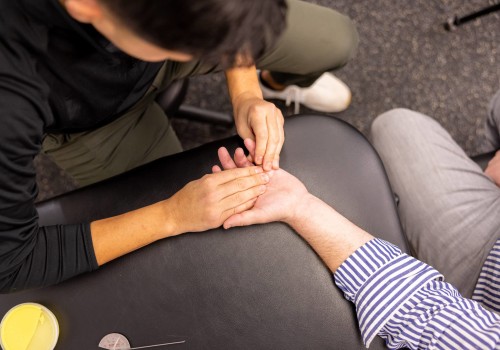
Arthritis is a common condition that affects millions of individuals across the globe, characterized by inflammation and pain in the joints. It encompasses over 100 different types, with osteoarthritis and rheumatoid arthritis being the most prevalent. Osteoarthritis typically arises from wear and tear on the joints, while rheumatoid arthritis is an autoimmune disorder that causes the body to attack its own joint tissues. Understanding these distinctions is crucial for recognizing how arthritis therapy, including massage therapy, can play a role in managing symptoms. The symptoms of arthritis can vary significantly among individuals but often include joint pain, stiffness, swelling, and decreased range of motion.
These symptoms can severely impact daily activities, leading to a diminished quality of life. For many patients, the chronic pain associated with arthritis can lead to emotional distress and a sense of isolation. Therefore, it is essential to explore various therapeutic options that can alleviate these symptoms and improve overall well-being. As we delve deeper into the potential benefits of massage therapy for arthritis patients, it is important to recognize how this holistic approach can complement traditional treatments. By understanding the nature of arthritis and its multifaceted impact on individuals, we can better appreciate the role that targeted therapies like massage can play in enhancing mobility and reducing discomfort.
What is Massage Therapy?
Massage therapy is a holistic treatment that involves the manipulation of soft tissues in the body, including muscles, tendons, ligaments, and fascia.This practice has been utilized for centuries across various cultures to promote relaxation, alleviate pain, and enhance overall well-being. In recent years, it has gained recognition as a complementary approach for managing various health conditions, including arthritis.
Types of Massage Therapy
- Swedish Massage: This is one of the most common types, characterized by long, flowing strokes that promote relaxation and improve circulation.
- Deep Tissue Massage: Focused on deeper layers of muscle and connective tissue, this type is beneficial for chronic pain and tension.
- Trigger Point Therapy: This technique targets specific points in the body that are hyperirritable and can cause pain in other areas.
- Myofascial Release: A gentle technique that focuses on relieving tension in the fascia, which can be particularly helpful for those with restricted movement.
- Hot Stone Massage: Involves the use of heated stones to relax muscles and improve blood flow.
Benefits of Massage Therapy
The benefits of massage therapy extend beyond mere relaxation. Regular sessions can lead to:- Pain Relief: Many patients report a significant reduction in pain levels after receiving massage therapy, making it a valuable option for arthritis sufferers.
- Improved Mobility: By reducing muscle tension and increasing flexibility, massage can help patients regain lost range of motion.
- Enhanced Circulation: Improved blood flow can aid in the healing process and reduce inflammation.
- Stress Reduction: The calming effects of massage therapy can lower stress levels, which is crucial for overall health and well-being.
How Massage Therapy Can Help Arthritis Patients
Massage therapy has emerged as a promising arthritis therapy option for many patients seeking relief from the debilitating symptoms of this condition.By focusing on specific techniques, massage can provide significant benefits that enhance the quality of life for those suffering from arthritis.
Benefits of Massage for Arthritis
- Pain Relief: One of the most immediate benefits of massage therapy is its ability to alleviate pain. Techniques such as Swedish massage or deep tissue massage can help reduce muscle tension and improve circulation, which may lead to decreased pain levels in arthritic joints.
- Inflammation Reduction: Regular massage sessions can help decrease inflammation in affected areas. The manipulation of soft tissues promotes lymphatic drainage, which can assist in flushing out toxins and reducing swelling.
- Improved Range of Motion: For arthritis patients, stiffness is a common issue. Massage therapy can enhance flexibility and range of motion by loosening tight muscles and connective tissues surrounding the joints.
- Stress Relief: Living with arthritis can be stressful, and stress often exacerbates pain.
Massage therapy promotes relaxation and reduces stress levels, which can indirectly contribute to pain management.
Types of Massage Techniques Beneficial for Arthritis
- Swedish Massage: This gentle technique uses long strokes and kneading to promote relaxation and improve circulation.
- Deep Tissue Massage: Targeting deeper layers of muscle and connective tissue, this method can be particularly effective for chronic pain relief.
- Myofascial Release: This technique focuses on relieving tension in the fascia, the connective tissue surrounding muscles, which can help alleviate stiffness associated with arthritis.
Types of Massage Techniques Beneficial for Arthritis
Massage therapy can be a valuable component of arthritis therapy, offering relief from pain and improving mobility. Various massage techniques can be tailored to meet the specific needs of arthritis patients. Here are some of the most effective types:Swedish Massage
Swedish massage is one of the most popular forms of massage therapy.It involves long, flowing strokes, kneading, and gentle circular movements on the topmost layer of muscles. This technique promotes relaxation and increases blood circulation, which can help reduce stiffness and improve flexibility in joints affected by arthritis.
Deep Tissue Massage
Deep tissue massage focuses on the deeper layers of muscle and connective tissue. By applying firm pressure and slow strokes, this technique targets chronic tension areas, helping to alleviate pain associated with arthritis. It can also break down adhesions and scar tissue that may contribute to discomfort.Trigger Point Therapy
Trigger point therapy is designed to relieve tight areas within muscle tissue that can cause pain in other parts of the body.By applying pressure to specific points, this technique helps release tension and improve overall function. For arthritis patients, trigger point therapy can be particularly beneficial in managing localized pain.Incorporating these massage techniques into a comprehensive arthritis therapy plan can enhance overall well-being. It is essential for patients to consult with their healthcare provider before starting any new treatment to ensure it aligns with their individual health needs.
Research and Studies on Massage Therapy for Arthritis
Numerous research studies have explored the efficacy of massage therapy as a complementary treatment for individuals suffering from arthritis. These studies aim to provide evidence-based insights into how massage can alleviate symptoms and improve the quality of life for arthritis patients.One significant study published in the Journal of Pain Research found that regular massage therapy sessions led to a notable reduction in pain levels among participants with osteoarthritis.The researchers noted that patients reported decreased stiffness and improved joint mobility after just a few weeks of treatment. This suggests that massage therapy may play a crucial role in managing chronic pain associated with arthritis.Another important piece of research conducted by the American Massage Therapy Association highlighted the psychological benefits of massage for arthritis patients. The study indicated that participants experienced lower levels of anxiety and depression, which are common comorbidities in individuals with chronic pain conditions. By addressing both physical and emotional aspects, massage therapy can enhance overall well-being.Furthermore, a systematic review published in The Cochrane Database of Systematic Reviews analyzed multiple studies on various forms of manual therapy, including massage.
The findings revealed that massage therapy not only helps reduce pain but also improves functional outcomes for arthritis patients. This comprehensive analysis underscores the potential of massage as an effective adjunct to traditional arthritis treatments.In summary, the growing body of evidence supports the use of massage therapy as a beneficial treatment option for those with arthritis. With its ability to alleviate pain, enhance mobility, and improve mental health, massage therapy stands out as a valuable component in the holistic management of arthritis symptoms.
Safety Considerations and Contraindications
When considering massage therapy as a treatment option for arthritis, it is crucial to address safety concerns and potential contraindications. While many patients find relief through massage, certain conditions may warrant caution or even avoidance of this therapy.Safety Considerations
Before undergoing massage therapy, arthritis patients should consult with their healthcare provider to ensure it is a suitable option for their specific condition.Factors such as the type of arthritis, the severity of symptoms, and overall health can influence the safety of massage therapy.
Contraindications for Massage
- Acute Inflammation: If a patient is experiencing an acute flare-up of arthritis symptoms, massage may exacerbate inflammation and pain.
- Skin Conditions: Open wounds, rashes, or infections in the area to be massaged can pose risks and should be avoided.
- Blood Clots: Patients with a history of blood clots or clotting disorders should avoid massage therapy due to the risk of dislodging a clot.
- Severe Osteoporosis: Individuals with severe osteoporosis may be at risk for fractures during deep tissue massage.
When to Avoid Massage Therapy
Certain situations may necessitate postponing or avoiding massage therapy altogether. These include:- If the patient has recently undergone surgery or has any surgical wounds that have not fully healed.
- During periods of high fever or illness, as the body may not respond well to additional stress.
- If there are any signs of infection, such as swelling, redness, or warmth in the joints.
Integrating Massage Therapy into an Arthritis Management Plan
Integrating massage therapy into an arthritis management plan can significantly enhance the overall effectiveness of treatment. By adopting a holistic approach to arthritis treatment, patients can experience improved mobility, reduced pain, and enhanced quality of life.Here are some strategies for effectively combining massage therapy with other treatments:
- Consult with Healthcare Providers: Before starting any new therapy, it’s essential to discuss with your healthcare team. They can provide guidance on how to safely incorporate massage therapy into your existing treatment plan.
- Choose the Right Type of Massage: Different types of massage, such as Swedish, deep tissue, or myofascial release, may offer varying benefits. Consider what type aligns best with your specific symptoms and preferences.
- Schedule Regular Sessions: Consistency is key in any therapy. Regular massage sessions can help maintain joint flexibility and reduce stiffness over time.
- Combine with Other Therapies: Massage therapy can be effectively combined with physical therapy, medication, and exercise programs.
This multi-faceted approach can address both the physical and emotional aspects of arthritis.
- Monitor Your Progress: Keep track of how massage therapy impacts your symptoms. This will help you and your healthcare provider make informed decisions about continuing or adjusting your treatment plan.
By working closely with healthcare professionals and exploring various therapeutic options, patients can create a comprehensive strategy that addresses their unique needs.
Frequently Asked Questions about Massage Therapy and Arthritis
Massage therapy has gained popularity as a complementary treatment for arthritis, but many patients still have questions about its effectiveness and safety. Here are some frequently asked questions that can help clarify common misconceptions.Is massage therapy safe for arthritis patients?
Yes, massage therapy is generally considered safe for individuals with arthritis, provided it is performed by a qualified therapist who understands the condition. It is essential to communicate your specific needs and limitations to the therapist to ensure a tailored approach.What types of massage are best for arthritis?
- Swedish massage: This gentle technique can help reduce tension and improve circulation.
- Deep tissue massage: While more intense, it can target deeper muscle layers and alleviate chronic pain.
- Myofascial release: This focuses on relieving tension in the fascia, which can be beneficial for joint mobility.
Can massage therapy replace traditional arthritis treatments?
No, while massage therapy can be a valuable addition to an arthritis treatment plan, it should not replace conventional medical treatments. It is best used in conjunction with medications and physical therapy as part of a comprehensive approach.Are there any misconceptions about massage therapy for arthritis?
- Myth: Massage will worsen inflammation.
Fact: When done correctly, massage can actually help reduce inflammation and improve joint function. - Myth: All types of massage are too painful for arthritis patients.
Fact: Many techniques can be adapted to ensure comfort and effectiveness.
Conclusion: The Role of Massage Therapy in Managing Arthritis Symptoms
In conclusion, massage therapy presents a promising avenue for individuals managing arthritis symptoms. Throughout this article, we have explored various aspects of how massage can alleviate discomfort and enhance the quality of life for arthritis patients. One of the primary benefits of incorporating arthritis therapy through massage is its ability to reduce pain and stiffness in affected joints.By promoting blood circulation and relaxing tense muscles, massage can lead to significant improvements in mobility and overall physical function. Moreover, the psychological benefits of massage therapy should not be overlooked. Many arthritis patients experience emotional distress due to chronic pain. Regular massage sessions can provide a sense of relaxation and well-being, helping to combat anxiety and depression often associated with long-term health conditions. Additionally, it is essential to consider the different types of massage techniques available. Techniques such as Swedish massage, deep tissue massage, and myofascial release can be tailored to meet the specific needs of arthritis patients, ensuring a personalized approach to pain management. While it is crucial for patients to consult with their healthcare providers before starting any new treatment regimen, the evidence supporting the efficacy of massage therapy in managing arthritis symptoms is compelling.
As part of a comprehensive treatment plan that may include medication, physical therapy, and lifestyle changes, massage therapy can play a vital role in enhancing the overall well-being of those living with arthritis. In summary, integrating massage therapy into an arthritis management strategy offers numerous benefits that extend beyond mere symptom relief. By addressing both physical and emotional aspects of this chronic condition, patients may find a renewed sense of hope and improved quality of life.