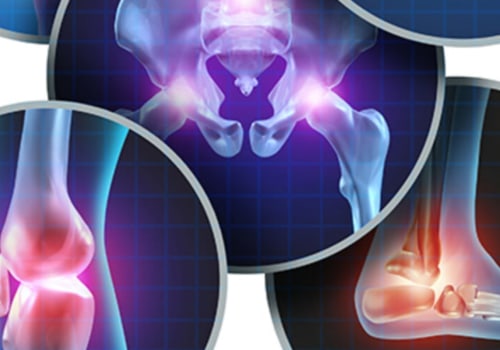
Arthritis is a common condition that affects millions of people worldwide, characterized by inflammation of the joints, leading to pain, stiffness, and decreased mobility. There are over 100 different types of arthritis, with osteoarthritis and rheumatoid arthritis being the most prevalent. Osteoarthritis typically occurs due to wear and tear on the joints, while rheumatoid arthritis is an autoimmune disorder where the body mistakenly attacks its own joint tissues. Understanding these distinctions is essential for effective arthritis therapy.The symptoms of arthritis can vary significantly depending on the type and severity of the condition.
Common symptoms include persistent joint pain, swelling, tenderness, and reduced range of motion. These symptoms can be exacerbated by stress, which may lead to increased inflammation and discomfort. Therefore, recognizing how stress impacts arthritis is crucial for developing comprehensive pain management strategies. Effective arthritis pain management often involves a multifaceted approach that includes medication, physical therapy, and lifestyle changes. However, incorporating stress management techniques can enhance these traditional therapies.
Techniques such as mindfulness, yoga, and deep-breathing exercises not only help in reducing stress but also promote relaxation and improve overall well-being. By understanding the interplay between stress and arthritis symptoms, individuals can take proactive steps towards managing their condition more effectively.
The Role of Stress in Arthritis Symptoms
Understanding the connection between stress and arthritis symptoms is crucial for effective arthritis therapy. Stress can significantly impact the body, leading to increased levels of inflammation, which is a key factor in the exacerbation of arthritis symptoms.How Stress Affects Arthritis
- Inflammatory Response: When a person experiences stress, the body releases stress hormones such as cortisol and adrenaline. These hormones can trigger an inflammatory response, worsening joint pain and stiffness associated with arthritis.
- Pain Perception: Stress can alter the way the brain processes pain signals.
This means that individuals under stress may perceive their arthritis pain as more intense, leading to a cycle of increased discomfort.
- Behavioral Changes: Stress often leads to changes in behavior, such as reduced physical activity or poor dietary choices. These changes can further aggravate arthritis symptoms by contributing to weight gain and decreased mobility.
By addressing stress, individuals may find relief from some of the debilitating symptoms of arthritis, making it an essential component of comprehensive arthritis therapy.
Effective Stress Management Techniques for Arthritis Patients
Managing stress is crucial for arthritis patients, as stress can exacerbate symptoms and lead to increased pain and discomfort. Here are some effective stress management techniques that can help alleviate arthritis symptoms:- Mindfulness Meditation: Practicing mindfulness involves focusing on the present moment and accepting it without judgment. This technique can reduce anxiety and improve emotional well-being, which may help in managing pain levels.
- Yoga: Incorporating gentle yoga into your routine can enhance flexibility, strength, and relaxation. Specific poses can target areas affected by arthritis, while deep breathing exercises promote relaxation and stress relief.
- Cognitive Behavioral Therapy (CBT): CBT is a therapeutic approach that helps individuals identify negative thought patterns and replace them with positive ones.
This can be particularly beneficial for arthritis patients, as it equips them with coping strategies to manage pain and stress more effectively.
- Deep Breathing Exercises: Simple deep breathing techniques can help calm the mind and reduce physical tension. Taking a few minutes each day to practice deep breathing can significantly lower stress levels.
- Progressive Muscle Relaxation: This technique involves tensing and then relaxing different muscle groups in the body. It helps to release physical tension that may be contributing to stress and discomfort.
Mindfulness and Meditation: A Path to Relief
Incorporating mindfulness and meditation into your daily routine can significantly enhance your ability to manage the symptoms of arthritis.These practices not only help in reducing stress but also promote a greater awareness of your body, which can lead to improved pain management.
Benefits of Mindfulness for Arthritis
Mindfulness involves paying attention to the present moment without judgment. For individuals with arthritis, this can mean recognizing pain and discomfort without letting it dominate their thoughts. Research has shown that mindfulness can:- Reduce perceived pain levels: By focusing on the present, individuals may find that their pain feels less overwhelming.
- Improve emotional well-being: Mindfulness practices can help reduce anxiety and depression, which are common among those dealing with chronic pain.
- Enhance coping strategies: Mindfulness encourages a proactive approach to managing symptoms, allowing individuals to respond to pain with greater resilience.
Meditation Techniques for Relief
Meditation offers various techniques that can be particularly beneficial for arthritis sufferers. Some effective methods include:- Guided meditation: Listening to a recorded session can help you focus on relaxation and visualization, which may alleviate tension in the body.
- Loving-kindness meditation: This practice encourages compassion towards oneself and others, fostering a positive mindset that can counteract feelings of frustration related to chronic pain.
- Body scan meditation: This technique involves mentally scanning your body for areas of tension and consciously relaxing them, promoting a sense of relief and awareness.
By dedicating just a few minutes each day to these practices, you may find that your overall experience with arthritis improves, making it easier to manage symptoms effectively.
Physical Activity: Balancing Exercise and Stress Relief
Engaging in physical activity is a crucial component of managing arthritis symptoms while also serving as an effective stress relief technique. For individuals living with arthritis, the thought of exercise can often be daunting due to concerns about pain and joint mobility. However, incorporating low-impact exercises into your routine can provide significant benefits without exacerbating discomfort.Benefits of Physical Activity for Arthritis Patients:
- Improved Joint Function: Regular movement helps maintain joint flexibility and reduces stiffness, which is essential for those with arthritis.
- Pain Management: Exercise releases endorphins, the body's natural painkillers, which can help alleviate discomfort associated with arthritis.
- Enhanced Mood: Physical activity is known to reduce stress and anxiety levels, contributing to an overall sense of well-being.
- Weight Management: Maintaining a healthy weight can lessen the strain on joints, making it easier to manage arthritis symptoms.
These exercises not only promote cardiovascular health but also enhance muscle strength and endurance, which are vital for joint support.
Tips for Incorporating Exercise into Your Routine:
- Start Slow: Begin with short sessions of 10-15 minutes and gradually increase duration as your body adapts.
- Listen to Your Body: Pay attention to how your joints feel during and after exercise. Adjust your routine accordingly.
- Stay Consistent: Aim for at least 150 minutes of moderate aerobic activity each week, spread out over several days.
- Consult a Professional: Consider working with a physical therapist who can tailor an exercise program specific to your needs.
Nutrition's Role in Stress Management and Arthritis Therapy
Nutrition plays a pivotal role in both stress management and the effective management of arthritis symptoms. A well-balanced diet can not only help reduce inflammation but also alleviate stress, creating a dual benefit for those suffering from arthritis.One of the most effective approaches to managing arthritis through diet is adopting an anti-inflammatory diet.This type of diet emphasizes the consumption of foods that are known to combat inflammation, which is a key factor in arthritis flare-ups. Here are some essential components:
- Fruits and Vegetables: Rich in antioxidants, vitamins, and minerals, fruits and vegetables like berries, spinach, and kale can help reduce oxidative stress in the body.
- Healthy Fats: Incorporating sources of omega-3 fatty acids, such as fatty fish (salmon, mackerel) and nuts (walnuts, flaxseeds), can significantly lower inflammation levels.
- Whole Grains: Foods like brown rice, quinoa, and whole oats provide fiber that helps maintain a healthy gut microbiome, which is linked to reduced stress levels.
- Spices: Turmeric and ginger are powerful anti-inflammatory spices that can be easily added to meals for both flavor and health benefits.
- Dark Chocolate: Consuming dark chocolate in moderation can help lower cortisol levels, the hormone associated with stress.
- Nuts: Nuts like almonds and pistachios are not only nutritious but also help in reducing anxiety and improving mood.
- Herbal Teas: Chamomile and green tea have calming properties that can aid in relaxation and stress reduction.
Integrating Stress Management into Arthritis Treatment Plans
Integrating stress management techniques into existing arthritis treatment plans can significantly enhance the overall effectiveness of therapy.By addressing both the physical and emotional aspects of arthritis, patients can experience improved symptom relief and a better quality of life.One effective approach is to incorporate mindfulness practices such as meditation or yoga into daily routines. These techniques not only help in reducing stress but also promote flexibility and strength, which are crucial for managing arthritis symptoms. Here are some practical ways to integrate these practices:
- Daily Mindfulness: Set aside 10-15 minutes each day for mindfulness meditation. Focus on your breath and allow your thoughts to settle, which can help reduce anxiety and improve pain perception.
- Gentle Yoga: Participate in a gentle yoga class specifically designed for individuals with arthritis.
This can enhance joint mobility while also providing relaxation.
- Breathing Exercises: Practice deep breathing techniques during flare-ups to help manage pain and stress levels.
Combining therapies
is another effective strategy. For instance, patients might find that combining physical therapy with stress management techniques leads to better outcomes.Here’s how:
- Collaborative Care: Work with your healthcare team to create a comprehensive treatment plan that includes both physical and mental health strategies.
- Support Groups: Join support groups where you can share experiences and coping strategies with others facing similar challenges.
- Nutritional Support: Consider dietary changes that may reduce inflammation while also incorporating stress-reducing foods like omega-3 fatty acids found in fish.
FAQs About Stress Management and Arthritis Therapy
When it comes to arthritis therapy, many individuals wonder how stress management techniques can play a role in alleviating symptoms. Here are some frequently asked questions that can help clarify this relationship:1.How does stress affect arthritis symptoms?
Stress can exacerbate inflammation and pain, making arthritis symptoms more pronounced. When the body is under stress, it releases hormones that can lead to increased muscle tension and heightened sensitivity to pain.2.What stress management techniques are effective for arthritis patients?
- Meditation: Practicing mindfulness meditation can help reduce stress levels and improve overall well-being.
- Yoga: Gentle yoga stretches can enhance flexibility and reduce tension in the body, which may alleviate some arthritis discomfort.
- Deep Breathing Exercises: Focusing on deep, controlled breathing can help calm the mind and reduce physical stress responses.
- Cognitive Behavioral Therapy (CBT): This therapeutic approach can help individuals reframe negative thoughts related to pain and stress.
3.Can stress management improve my overall treatment plan for arthritis?
Yes, incorporating stress management techniques into your arthritis therapy can lead to better outcomes. By reducing stress, you may experience less pain and improved mobility, which can enhance your quality of life.4.How often should I practice stress management techniques?
Consistency is key.Aim to practice your chosen techniques daily or several times a week to effectively manage stress levels and support your arthritis treatment.
5.Are there any risks associated with stress management techniques?
Generally, most stress management techniques are safe; however, it’s important to consult with your healthcare provider before starting any new regimen, especially if you have other health conditions or concerns.By addressing these common questions, individuals with arthritis can better understand how integrating stress management into their therapy can lead to improved symptom control and overall health.Conclusion: The Importance of a Holistic Approach to Arthritis Management
In conclusion, managing arthritis symptoms requires a multifaceted approach that goes beyond traditional medical treatments. Integrating stress management techniques into your arthritis therapy can significantly enhance your overall well-being and improve your quality of life. As we have discussed, stress can exacerbate inflammation and pain, making it crucial to address both the physical and emotional aspects of this condition.By adopting practices such as mindfulness, yoga, and deep-breathing exercises, individuals with arthritis can cultivate a sense of calm and resilience. These techniques not only help in reducing stress but also promote better coping mechanisms when faced with the challenges of living with arthritis.- Mindfulness: Engaging in mindfulness practices can help you stay present and reduce anxiety related to your condition.
- Yoga: This gentle form of exercise improves flexibility and strength while also providing mental relaxation.
- Deep Breathing: Simple breathing exercises can lower stress levels and enhance pain tolerance.
It is essential to recognize that each individual’s experience with arthritis is unique; therefore, a personalized approach that includes both physical and emotional strategies is vital.Ultimately, embracing a holistic approach to arthritis management not only addresses the physical symptoms but also nurtures mental health. By prioritizing stress management, individuals can empower themselves to take control of their health journey, leading to improved outcomes and a more fulfilling life despite the challenges posed by arthritis.